
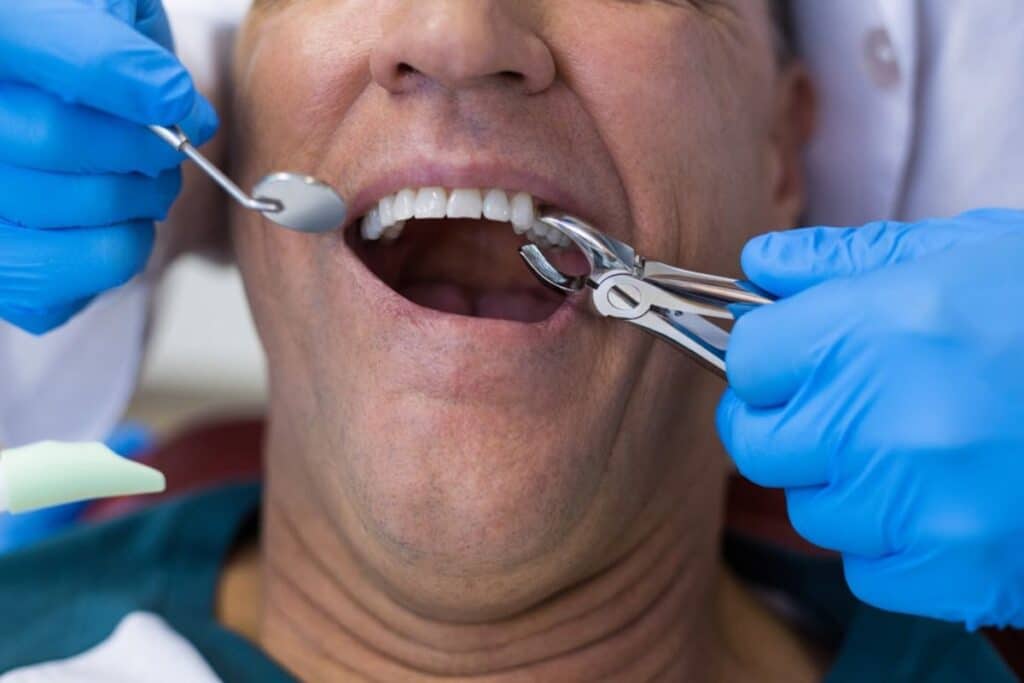
So, your dentist just uttered the dreaded “T” word: extraction. Don’t panic! While losing a tooth might seem scary, it’s a common procedure with a high success rate. This guide will walk you through what to expect before, during, and after your tooth extraction, empowering you with knowledge and helping you navigate this dental journey.
Why might I need a tooth extraction?
- Orthodontic treatment: Tooth Extractions may be necessary to create space for teeth to move properly during orthodontic treatment.
- Severe decay: When a cavity becomes too large to fill, extraction might be the only way to prevent infection.
- Gum disease: Severe gum disease can weaken the bone supporting your teeth, leading to tooth loss.
- Injury: Trauma to the mouth can result in chipped, cracked, or knocked-out teeth.
- Impacted wisdom teeth: These often grow in at an angle, pushing against other teeth and causing pain, infection, or damage. (The American Association of Oral and Maxillofacial Surgeons reports that 85% of Americans have at least one impacted wisdom tooth.)
What to Expect During the Procedure
- Local anesthesia: You’ll receive a local anesthetic to numb the area around the tooth. You may also receive sedation if you feel anxious.
- Tooth removal: The dentist will carefully loosen the tooth and remove it using specialized tools.
- Controlling bleeding: After the tooth is removed, the dentist will apply pressure to the extraction site to control bleeding.
- Stitches (if needed): In some cases, stitches may be necessary to close the wound.
Recovery Tips
- Rest: Avoid strenuous activity for the first 24 hours after the extraction.
- Ice pack: Apply an ice pack to the affected area for 20 minutes at a time, several times a day, to reduce swelling.
- Soft foods: Stick to soft foods like yogurt, soup, mashed potatoes, and applesauce for the first few days.
- Pain management: Over-the-counter pain relievers like ibuprofen or acetaminophen can help manage discomfort.
- Avoid smoking and alcohol: Smoking and alcohol can interfere with healing and increase the risk of infection.
- Oral hygiene: Gently rinse your mouth with warm salt water several times a day to promote healing and prevent infection.
Potential Complications
- Dry socket: This occurs when the blood clot at the extraction site dislodges, exposing the underlying bone. It can be very painful and may require a visit to a qualified dentist in Frisco for treatment.
- Infection: While rare, infection can occur at the extraction site. Signs of infection include fever, swelling, and pus.
- Bleeding: Prolonged or excessive bleeding can sometimes occur after an extraction.
Preparing for Your Extraction
- Consult with your dentist: Discuss any concerns or questions you have with your dentist. They can provide you with specific instructions and answer any questions you may have.
- Arrange transportation: You’ll need someone to drive you home after the procedure, as you won’t be able to drive yourself.
- Gather supplies: Have pain relievers, ice packs, and soft foods on hand before your procedure.
Choosing an Emergency Dentist
If you experience a dental emergency, such as a knocked-out tooth or severe pain, it’s important to seek treatment from an emergency dentist immediately.* Find an emergency dentist: Many dental offices offer emergency services. You can usually find an emergency dentist in Frisco your area by searching online or contacting your regular dentist for a referral.
Don’t delay: Prompt treatment can save your tooth and prevent further complications.
Remember:
Every patient is different, and recovery times can vary. Following your dentist’s instructions carefully will help ensure a smooth and comfortable recovery.