
Life in North Dallas moves with a steady, familiar rhythm. Morning walks through peaceful neighborhoods, quick coffee catchups, and relaxed meals at home all shape the day. When missing teeth and bone loss start to interfere with how you eat or speak, those simple routines can become frustrating and uncomfortable.
It is common to assume that bone loss automatically rules out dental implants, but that is not always the case. While a strong jawbone is important for long-term stability, modern advancements in dentistry have expanded what is possible. Many patients with bone loss can still move forward with treatment and achieve lasting results.
Understanding how bone loss impacts implant placement, along with the solutions available today, can help you make informed decisions and feel more confident about restoring your missing teeth.
What Causes Bone Loss in the Jaw?
Bone loss in the jaw is a common concern, especially among older adults. It often occurs after tooth loss because the jawbone no longer receives the stimulation it needs from natural tooth roots. Over time, this can lead to gradual bone shrinkage, which may affect facial structure and make it more difficult to support replacement teeth.
Other factors that can contribute to bone loss include gum disease, long-term denture use, and certain medical conditions. The longer a tooth is missing, the more likely the surrounding bone is to weaken.
Why Does Bone Matter for Dental Implants?
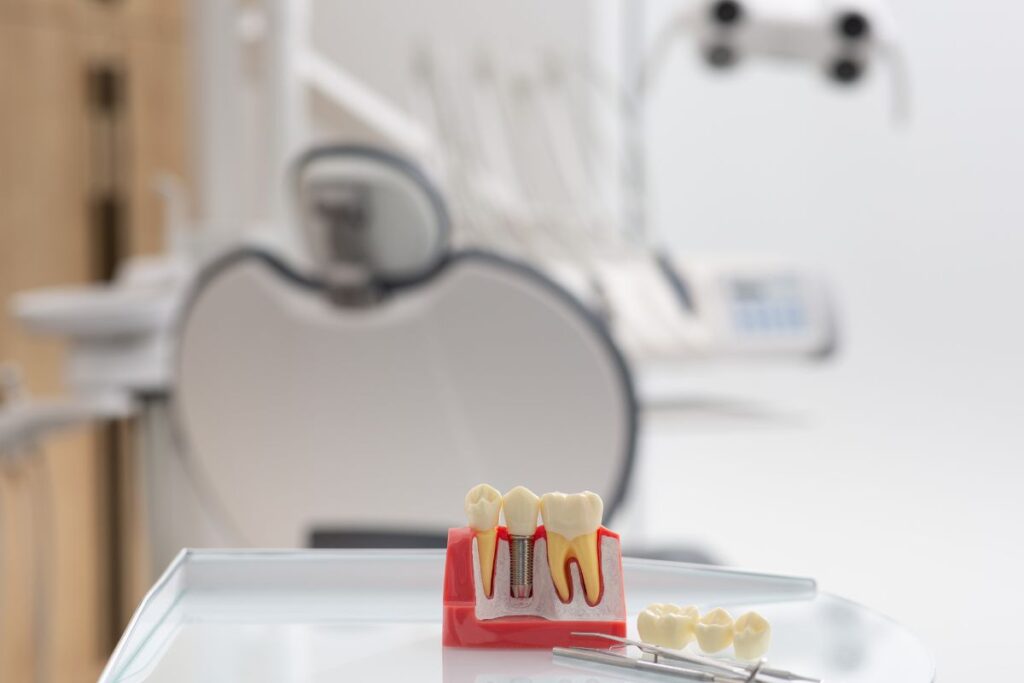
A dental implant is a small titanium post that gets placed directly into your jawbone. It acts like the root of your natural tooth. For the restoration to remain secure and function long-term, the bone around it needs sufficient height, width, and density.
When you lose a tooth and do not replace it, the bone in that area starts to shrink. This happens because the bone no longer gets the stimulation it needs from chewing. The longer a tooth stays missing, the more bone is lost. Gum disease, injury, and certain health conditions can also cause bone loss over time.
So yes, bone health matters. But not having enough bone does not mean implanted teeth are off the table.
Can You Still Get Dental Implants With Bone Loss?
Yes, in many cases you can. The answer depends on how much bone deterioration you have and where it is located. Here is a simple breakdown:
Mild Bone Loss
If you have mild bone deterioration, you may still qualify for standard implants without any extra steps. Many patients with mild bone thinning proceed with implant placement without requiring preparatory treatment.
Moderate Bone Loss
With moderate bone deterioration, a bone graft is often done before implant placement. This is a routine procedure that rebuilds the jawbone so it can properly support an implant. After the graft heals, usually over a few months, the implant can be placed on a strong foundation.
Severe Bone Loss
Even with severe bone damage, you are not necessarily out of options. Advanced techniques such as zygomatic and All-on-4 procedures are designed for patients who lack sufficient jawbone for a traditional implant tooth. These approaches use existing bone structures, like the cheekbone, to create a stable anchor for new teeth.
Treatments That May Come Before Dental Implants
If bone deterioration is present, some patients need one or more preparatory steps before implant treatment begins. These steps help build the right foundation for long-term success.
Bone Grafting
A bone graft takes bone material from your own body, a donor source, or a synthetic option and places it in the area where bone has been lost. Over time, your body fuses with the graft, creating a stronger base for implants. This is one of the most common preparatory steps for patients with moderate bone density loss.
Sinus Lift
For patients who need these restorations in the upper back jaw, there may not be enough bone between the jaw and the sinus cavity. A sinus lift adds bone material in that space, creating room for a secure implant placement.
Gum Disease Treatment
Active gum disease must be treated before any implant procedure. Untreated gum disease can cause an implant to fail. Getting your gum health under control first is an important part of the overall plan.
Advanced Options for Severe Bone Loss
Some patients have been told they are not candidates because their bone deterioration is too severe. Before you give up, it is worth asking about these advanced solutions:
- Zygomatic Implants: These are longer dental restorations that anchor into the cheekbone rather than the jawbone. They are a strong option for patients with severe bone loss in the upper jaw and can often eliminate the need for bone grafting entirely.
- All-on-4: This approach uses four implanted teeth placed at angles to maximize the bone that is already available. It can support a full arch of teeth and is often completed faster than traditional methods.
- Mini Implants: These are smaller in diameter than standard implants. They require less bone and can work well in areas where the bone is narrow or thin.
Each of these options has specific requirements. A thorough evaluation, including 3D imaging, helps determine which approach fits your unique situation.
What Else Affects Your Eligibility?
Bone density is important, but it is not the only factor. Your dentist will also look at:
- Overall oral health and hygiene
- Presence of active gum disease or infection
- Smoking habits — smoking lowers the success rate and slows healing
- General health conditions like uncontrolled diabetes
- Age — implants are generally not placed in younger patients whose jaw is still developing
Many of these factors can be addressed before beginning dental implant treatment. Your dental provider will guide you through what needs to happen first to maximize your chances of long-term success.
Maintaining Results After Implants
Caring for dental implants is similar to caring for natural teeth. Daily brushing, flossing, and regular dental visits are essential to keep your implants healthy.
Maintaining good oral hygiene not only protects your implants but also helps preserve the surrounding bone and gum tissue.
With consistent care, implants can remain a reliable part of your daily life for years to come.
Ready to Explore Your Options in North Dallas?
Tooth loss and changes in bone structure are common over time, but they do not have to define your treatment options. Advances in modern dentistry have made it possible for many patients in North Dallas to move forward with implant solutions safely and successfully.
At Heritage Family Dentistry, care is tailored to your individual needs, with treatment plans designed to support both function and long term oral health. Visit our dental office in North Dallas to explore your options and take the next step toward improved comfort, better stability, and renewed confidence in your everyday routine.
FAQs About Dental Implants with Bone Loss
1. What causes bone loss in the jaw?
Bone loss in the jaw can happen for several reasons, with missing teeth being one of the most common causes. When a tooth is lost, the jawbone no longer receives the stimulation it needs, leading to gradual deterioration. Gum disease can also damage the supporting bone over time if left untreated. In addition, natural aging and certain health conditions may contribute to reduced bone density in the jaw.
2. Are dental implants safe for older adults?
Dental implants are generally considered safe for older adults who are in good overall health. Age alone is not a limiting factor, as many seniors successfully receive implants with long-lasting results. A thorough dental and medical evaluation helps determine whether the jawbone is strong enough and if any preparatory treatments are needed. With proper planning, implants can be a reliable solution for restoring function and appearance.
3. What options are available if there isn’t enough bone for implants?
When there is insufficient bone in the jaw, several treatment options can help make dental implants possible. Procedures like bone grafting can rebuild lost bone, while sinus lifts may create additional space in the upper jaw. In some cases, specialized implants designed for lower bone density can be used. Your dentist will recommend the most suitable approach based on your specific condition and treatment goals.
4. What is a bone graft, and how long does it take to heal?
A bone graft is a procedure that restores lost bone by adding grafting material to the affected area of the jaw. This helps create a stable foundation for future dental implants. After the procedure, the body gradually integrates the new material with existing bone. Healing typically takes about three to six months, although this can vary depending on individual factors. Your dentist will monitor the healing process to ensure optimal results.
5. How long do dental implants last?
Dental implants are designed to be a long-term solution for missing teeth and can last for many years, often decades. Their longevity depends largely on proper care, including daily brushing and flossing. Regular dental checkups are also important to monitor the health of the implant and surrounding tissues. Maintaining good oral hygiene and a healthy lifestyle can significantly extend the lifespan of your implants.
6. Is the dental implant procedure painful?
The dental implant procedure is typically performed under local anesthesia, which helps keep you comfortable throughout the process. Most patients report feeling minimal to no pain during the surgery itself. After the procedure, some mild discomfort or swelling may occur, but this is usually manageable with prescribed or over-the-counter medication. Recovery is generally smooth, and any discomfort subsides within a few days.
7. Does smoking affect my chances of a successful implant?
Yes, smoking can significantly reduce the success rate of implants and slow down the healing process. If you smoke, it is important to discuss this with your provider before starting treatment. Quitting or reducing smoking can improve your outcomes.