
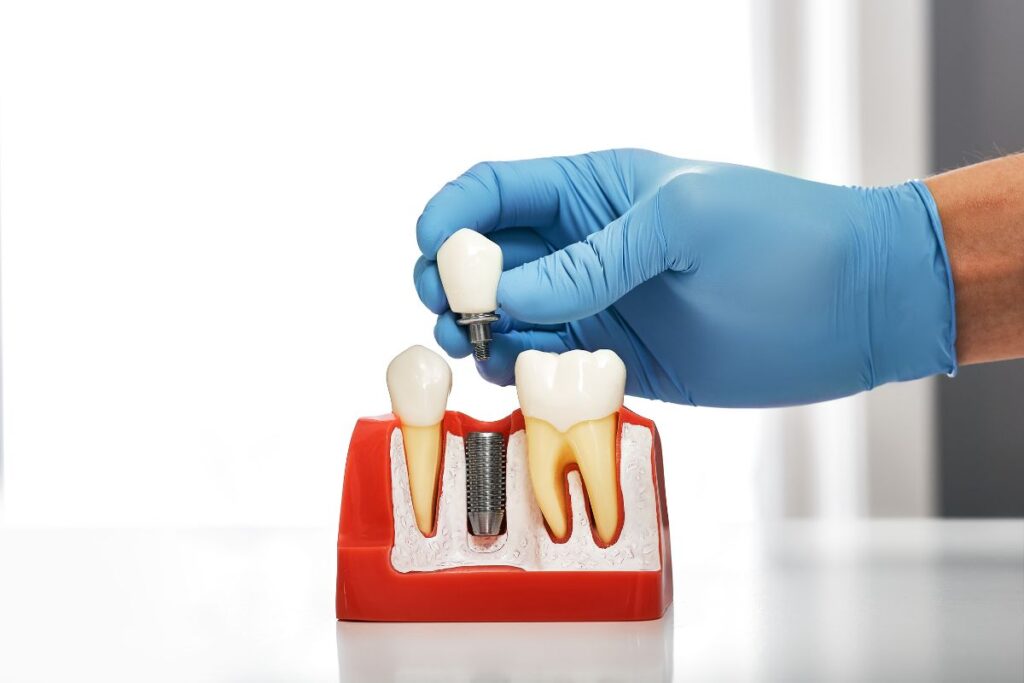
Missing teeth can affect much more than your smile. Many people notice changes in how they eat, speak, and feel in social settings. While modern tooth replacement options have come a long way, not every patient realizes that successful implant treatment depends heavily on the health of the jawbone itself.
Bone density plays a major role in whether an implant can stay stable and function comfortably for years. Without sufficient healthy bone, the foundation supporting the implant may not be strong enough to withstand the daily pressure of chewing and biting.
Why Bone Density Matters for Dental Implants
When patients visit a dentist to discuss dental implants, one of the first things evaluated is bone quality. The implant needs enough support to fuse properly with the jawbone. This natural bonding process helps create stability and strength over time.
Think of the jawbone as the anchor for the implant. If the bone is too thin or weak, the implant may struggle to integrate correctly. Strong bone structure allows the implant to stay secure while also supporting natural chewing function and appearance.
Several factors can affect bone density, including:
• Tooth loss over time
• Gum disease
• Natural aging
• Smoking habits
• Past dental infections
• Injury to the mouth or jaw
The longer a missing tooth goes untreated, the more likely the jawbone begins to shrink in that area. This happens because the bone no longer receives stimulation from the tooth root.
How Dentists Evaluate Bone Health
Modern imaging technology allows dentists to examine the jawbone in detail before treatment begins. Digital scans help determine the thickness, height, and overall condition of the bone.
This planning stage is important because every patient has a different oral structure. Some people naturally have dense bone, while others may require additional treatment before implant placement.
A careful evaluation can help identify:
• Areas of bone loss
• Signs of infection
• Bone strength and volume
• The ideal implant position
• Whether additional procedures may help improve support
Detailed planning helps create safer treatment and more predictable outcomes.
What Happens if Bone Density Is Too Low?
Low bone density does not always mean a patient cannot receive implants. In many cases, dentists can recommend procedures that strengthen the treatment area before placement.
Bone grafting is one commonly used solution. During this procedure, bone material is added to areas where the jaw has weakened or shrunk. Over time, the body integrates the graft and builds stronger support for the implant.
Some patients may also qualify for specialized implant techniques depending on their bone structure and oral health needs.
The key is early evaluation. Waiting too long after tooth loss can lead to more bone deterioration, which may increase treatment complexity later.
Signs You May Be Experiencing Bone Loss
Bone deterioration is usually gradual and painless at first. Many continue to eat and speak normally without realizing that changes are occurring beneath the gums.
However, several signs may indicate the jawbone is weakening over time.
Changes In Facial Appearance
The jawbone helps support the structure of the lower face. When bone volume decreases, patients may begin noticing subtle facial changes, especially around the mouth and jawline.
Some describe it as:
- A slightly sunken appearance around the cheeks
- Thinner lips
- More noticeable wrinkles near the mouth
- Changes in facial symmetry
These changes are sometimes mistaken for normal aging. However, missing teeth and bone loss can significantly contribute to changes in facial structure over time.
Difficulty Chewing Certain Foods
As the jaw changes, bite pressure may become less balanced. Some begin to favor one side of the mouth while eating, or avoid foods that require greater chewing force.
This often develops gradually, making it easy to overlook at first.
For busy adults in Frisco who regularly dine out, attend community events, or maintain active social routines, even small changes in eating comfort can affect daily confidence and quality of life.
Shifting Teeth And Bite Changes
Bone supports not only the missing tooth area but also the surrounding teeth. As support decreases, neighboring teeth may begin to drift into the empty spaces.
Over time, this can contribute to:
- Bite misalignment
- Uneven tooth wear
- Increased pressure on certain teeth
- Difficulty cleaning between teeth properly
These changes may increase the risk of additional dental problems if left untreated.
The Long-Term Benefits of Healthy Bone Support
Strong bone density does more than support the implant itself. It also helps preserve facial structure and overall oral function. Patients with healthy bone support often experience improved comfort, better bite strength, and more natural-looking results.
Implants supported by healthy bone can also help reduce future jawbone deterioration by stimulating the area during chewing. This stimulation mimics the role of natural tooth roots and helps keep the bone active.
Proper oral hygiene, routine dental visits, and healthy lifestyle habits can all help maintain long-term implant success.
Restore Your Smile With Trusted Care in Frisco
If you are considering tooth replacement options, the condition of your jawbone matters more than many people realize. The right evaluation can help determine the best path forward and prevent complications later.
At Heritage Family Dentistry, we take the time to create personalized treatment plans tailored to your comfort, oral health, and long-term smile goals. Visit our dental office in Frisco to know whether implant treatment is right for you and discover solutions tailored to your needs.
FAQs About Bone Density and Implants
1. Can I still get implants if I have bone loss?
Yes, many patients with bone loss may still qualify for implant treatment. Procedures such as bone grafting can often rebuild support before placement.
2. How do dentists measure bone density?
Dentists use digital imaging and advanced scans to evaluate bone thickness, strength, and overall structure before treatment begins.
3. Does bone loss happen immediately after losing a tooth?
Bone loss can begin soon after tooth loss and may continue over time if the area is left untreated.
4. Is bone grafting painful?
Most patients report mild discomfort that can usually be managed with standard aftercare instructions and medication recommendations.
5. How long does a bone graft take to heal?
Healing time varies by patient and treatment area, but many cases require several months before implant placement.
6. Can gum disease affect bone density?
Yes, untreated gum disease can damage the bone supporting the teeth and increase the risk of tooth loss.
7. How can I protect my jawbone health?
Good oral hygiene, regular dental visits, avoiding tobacco use, and replacing missing teeth promptly can help maintain healthy bone structure.