
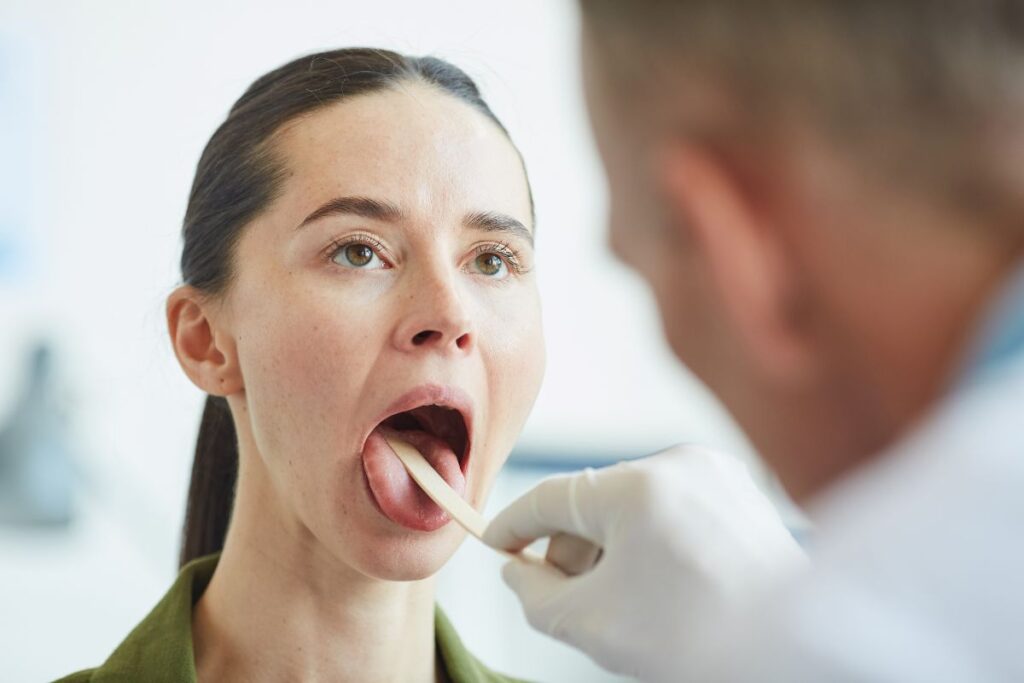
Summer can bring more than just hot weather and fun outdoor activities. With soaring temperatures and dry air, Frisco residents often face an uncomfortable problem: dry mouth. This condition, also known as xerostomia, occurs when the mouth does not produce enough saliva to keep the mouth moist. Saliva is essential for oral health, as it helps to wash away food particles, neutralize acids produced by bacteria, and prevent infections in the mouth. In a warm, arid climate, it’s especially important to pay attention to your mouth’s health during the summer months.
Dry mouth can also be exacerbated by other factors such as dehydration, medications, or certain health conditions. If you’re experiencing this issue, it’s essential to seek the right treatment and guidance.
Causes of Dry Mouth in the Summer
Many people experience dry mouth more frequently during warmer months because the body loses fluids faster in the heat. Spending time outdoors, exercising, and sweating excessively can all reduce hydration levels and decrease saliva production.
Here are some of the most common reasons dry mouth worsens during summer.
Dehydration from Hot Weather
One of the leading causes of dry mouth is dehydration. During hot weather, the body naturally loses more fluids through sweating. If those fluids are not replaced consistently, saliva production may decrease. Even mild dehydration can leave the mouth feeling sticky, dry, or uncomfortable. People who spend long hours outdoors, travel frequently, or participate in sports during the summer may notice symptoms more often. Drinking water consistently throughout the day is one of the simplest ways to help maintain healthy saliva flow.
Medications That Dry Out the Mouth
Certain medications, such as antihistamines, antidepressants, and blood pressure medications, are known to reduce saliva production. Many of these medications are more commonly taken during the summer when allergies or other health conditions are more prevalent. If you’re taking these medications and experiencing dry mouth, you might want to consult with your healthcare provider.
Mouth Breathing During Sleep or Physical Activity
Mouth breathing is another factor that can exacerbate dry mouth, particularly when exercising outdoors in the hot weather. When you breathe through your mouth instead of your nose, the air tends to dry out the mouth, leading to discomfort and reduced saliva production. If you sleep with your mouth open or spend long hours outside, this can worsen your symptoms.
Health Conditions and Other Factors
Health conditions such as diabetes, Sjögren’s syndrome, and other autoimmune diseases can lead to chronic dry mouth. Additionally, smoking or using tobacco products can contribute to dryness. Residents who struggle with these conditions should be particularly mindful of how their health may impact their oral moisture levels.
How to Prevent and Manage Dry Mouth This Summer?
While dry mouth can be uncomfortable, there are several ways to manage and prevent it, especially when temperatures soar. Here’s what you can do to stay hydrated and keep your mouth moist.
Drink Plenty of Water
The most effective way to prevent dry mouth is to stay hydrated, especially during the summer. Drinking water regularly helps keep your mouth moist and combats dryness. Try sipping water throughout the day, especially after spending time outdoors or after a meal, to replenish lost fluids and saliva.
Avoid Caffeinated Beverages and Alcohol
While it might be tempting to reach for a cold soda or cocktail during the summer months, both caffeine and alcohol can dry out your mouth. Instead, opt for water or sugar-free beverages to stay hydrated and avoid aggravating dry mouth.
Use a Humidifier
The climate can be hot and dry, consider using a humidifier in your home, especially in your bedroom while you sleep. A humidifier adds moisture to the air, which can help keep your mouth from drying out overnight. This is especially helpful for individuals who breathe through their mouths while sleeping.
Chewing Sugar-Free Gum
Chewing sugar-free gum or sucking on sugar-free candies can stimulate saliva production. Look for gums or candies that contain xylitol, a sugar substitute known to help prevent dry mouth and promote saliva flow. This simple trick can help provide some relief when you’re on the go during the summer months.
When to See a Dentist for Dry Mouth
Occasional dry mouth is common during summer, but persistent symptoms should not be ignored. Chronic oral dryness may increase the risk of tooth decay, gum disease, and enamel damage over time.
You should schedule a dental visit if you experience:
• Dry mouth that does not improve with hydration
• Difficulty swallowing or speaking
• Frequent bad breath
• Increased cavities
• Burning sensations inside the mouth
• Cracked lips or sore tissues
An experienced dentist can evaluate possible causes and recommend treatments designed to improve oral moisture and protect your teeth.
Professional Treatment Options for Dry Mouth
Professional dental care can help manage dry mouth symptoms and reduce the risk of long-term complications. Depending on the severity and underlying cause, treatment options may include:
- Fluoride treatments for cavity prevention
- Prescription mouth rinses
- Saliva substitutes
- Saliva-stimulating products
- Personalized hydration and nutrition guidance
Your dentist may also monitor for signs of gum disease, enamel wear, and other oral health concerns related to chronic dryness.
Stay Hydrated and Take Care of Your Oral Health
In the hot summer months, people can be particularly susceptible to dry mouth. The good news is that staying hydrated, avoiding certain foods and drinks, and seeking professional care can help manage and prevent this condition.
At Heritage Family Dentistry, we provide personalized care for patients experiencing dry mouth and other oral health concerns. Visit our Frisco dental office to explore effective solutions that support lasting comfort, hydration, and healthier oral wellness.
FAQs About Dry Mouth During Summer
1. How can dry mouth affect my oral health?
Having a dry mouth can lead to plaque buildup, which may increase the risk of tooth decay and gum disease. It can also be quite uncomfortable, making it harder to chew and swallow.
2. Can dry mouth be a sign of an underlying health issue?
Yes, experiencing chronic dry mouth might be a sign of conditions such as diabetes, dehydration, or medication side effects. If these symptoms continue, it’s really helpful to reach out to a healthcare provider for guidance.
3. Are there specific foods or drinks I should avoid if I have dry mouth?
It’s a good idea to steer clear of sugary, caffeinated, or alcoholic drinks since they can make dry mouth worse. Instead, choosing water or sugar-free beverages can help keep you hydrated and feel more comfortable.
4. Can dry mouth be relieved by home remedies?
Drinking water regularly, using a humidifier, and chewing sugar-free gum are simple ways to help ease this issue. If the symptoms persist, it’s a good idea to consult a dental practitioner for personalized advice.
5. How can an oral practitioner help with dry mouth?
A dental professional can help figure out what’s causing your dry mouth. The professional will suggest helpful options, such as saliva substitutes or medications, and guide you in managing the condition so it feels less bothersome.