
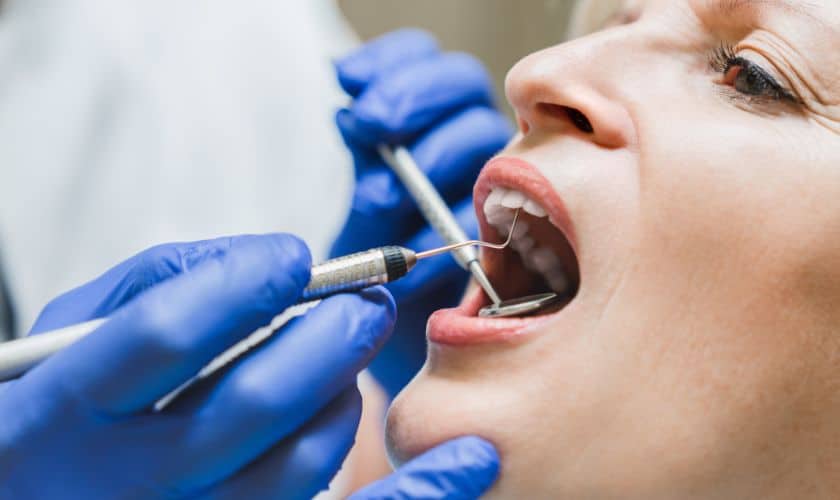
Dental emergencies rarely come with a warning. One moment, everything feels normal, and the next, you are dealing with sharp pain, swelling, or an unexpected injury. Whether it happens during a meal, before an important event, or in the middle of the night, these situations can feel overwhelming. What matters most is how you respond in those first few minutes.
Taking the right steps early can ease discomfort, prevent further damage, and in many cases, save your tooth. With a clear understanding of what to do, you can handle dental emergencies more confidently and protect your long-term oral health.
Understanding Emergency Dental Care
Not every dental concern requires urgent attention, but certain symptoms should never be ignored. Severe or persistent tooth pain, swelling in the face or gums, uncontrolled bleeding, or a knocked-out tooth are all signs that you may need emergency dental care.
These issues often point to underlying problems such as infection, trauma, or advanced decay. Acting quickly can prevent complications and reduce the need for more extensive treatments later. If you are ever unsure, it is always better to treat the situation as urgent and consult a dental professional rather than wait and risk worsening the condition.
Common Dental Emergencies and How to Handle Them
Dental emergencies can take many forms. Knowing how to respond to the most common situations can make a significant difference in both comfort and outcome.
Toothache That Will Not Quit: What You Can Do Right Away
A persistent toothache is your body’s way of asking for attention. Instead of masking the pain, focus on simple steps that provide relief while you arrange a dental visit.
- Rinse your mouth gently with warm salt water to reduce inflammation
- Use a cold compress on the outside of your cheek to manage swelling
- Avoid chewing on the affected side to prevent further irritation
Over-the-counter pain relievers can help temporarily, but they are not a long-term solution. If the pain lingers or intensifies, it is time to get it checked.
Chipped or Broken Tooth: Stay Calm and Act Smart
Accidents happen, whether it is biting into something hard or a sudden fall. A chipped or broken tooth might not always hurt right away, but it still needs attention.
If you can find the broken piece, keep it safe and bring it with you to your appointment. Rinse your mouth gently and avoid extremely hot or cold foods. Covering sharp edges with dental wax, if available, can prevent irritation to your tongue or cheeks.
Prompt care can often restore the tooth’s appearance and function without extensive procedures.
Knocked Out Tooth: Timing Is Everything
This is one of the most time-sensitive dental emergencies. If a tooth gets knocked out, handle it carefully by the crown, not the root. If possible, place it back in the socket without forcing it. If that is not an option, keep it in milk or a tooth preservation solution.
Seeing a dentist within an hour significantly increases the chances of saving the tooth. Acting quickly here can make all the difference between keeping and losing it.
Swelling or Infection: Do Not Ignore the Warning Signs
Swelling in the gums or face often points to infection. You may also notice a bad taste in your mouth or a fever. These symptoms should never be overlooked.
Infections can spread if left untreated, leading to more serious health concerns. While rinsing with warm salt water can provide temporary comfort, professional care is essential to address the root cause.
Bleeding Gums or Injuries: Knowing When It Is Serious
Minor gum irritation can happen occasionally, but persistent bleeding or injury after trauma needs attention. Apply gentle pressure with clean gauze to control bleeding.
If bleeding continues after several minutes or is accompanied by pain or swelling, it is best to seek immediate care. Early treatment helps avoid complications and supports faster healing.
Preventing Dental Emergencies Before They Happen
While not all emergencies can be avoided, many can be prevented with simple habits and awareness. Maintain regular dental checkups to catch issues early before they become serious. Use a mouthguard during sports or high-impact activities to protect your teeth from injury. Avoid chewing on hard objects like ice or pens, which can weaken or crack teeth over time.
Practicing good oral hygiene, including brushing and flossing daily, keeps your teeth and gums healthy and reduces the risk of sudden problems.
Quick Action Leads to Faster Relief
Dental emergencies do not wait, and neither should you. Getting the right care at the right time can protect your smile and ease discomfort faster than you expect.
At Heritage Family Dentistry, we focus on prompt attention, thoughtful care, and solutions that restore both comfort and confidence. Visit our dental office in Frisco and let our team help you feel better, faster.
FAQs About Handling Dental Emergencies
1. What qualifies as a dental emergency?
A dental emergency is any issue that requires immediate attention to stop pain or bleeding, or to prevent permanent damage. Common examples include severe toothaches, knocked-out teeth, swelling, infections, and uncontrolled bleeding. If the condition interferes with daily activities or worsens quickly, it is best to seek urgent dental care.
2. How can I relieve tooth pain before seeing a dentist?
You can temporarily manage tooth pain by rinsing your mouth with warm salt water to reduce inflammation and by applying a cold compress to numb the area. Avoid chewing on the affected side and stick to soft foods. Over-the-counter pain relievers may help, but they only provide short-term relief and should not replace professional treatment.
3. What should I do if my tooth gets knocked out?
If your tooth is knocked out, handle it carefully by the crown and avoid touching the root. Try gently placing it back into the socket, or store it in milk to keep it moist. Seek dental care immediately, ideally within one hour, as quick action significantly increases the chances of saving the tooth.
4. Is a chipped or cracked tooth always an emergency?
Not all chipped or cracked teeth cause pain, but they should still be evaluated by a dentist as soon as possible. Even minor damage can expose the inner layers of the tooth, leading to sensitivity or infection. Early treatment helps prevent further complications and effectively restores the tooth.
5. When should I worry about gum swelling or infection?
Gum swelling, facial swelling, or signs of infection such as pus, bad taste, or fever should never be ignored. These symptoms may indicate an abscess or spreading infection that requires prompt care. Delaying treatment can lead to more serious health issues, so it is important to see a dentist quickly.
6. Can I wait a day or two before seeing a dentist for an emergency?
It depends on the severity of the issue, but waiting is not always safe. Conditions like severe pain, swelling, or trauma can worsen quickly if left untreated. Early intervention often prevents complications and reduces the need for more extensive procedures, making it better to seek care as soon as possible.
7. How can I prevent dental emergencies in the future?
You can lower your risk by maintaining good oral hygiene, visiting your dentist regularly, and avoiding habits like chewing hard objects. Wearing a mouthguard during sports and being mindful of what you eat also helps protect your teeth. Prevention plays a key role in avoiding unexpected dental problems.