
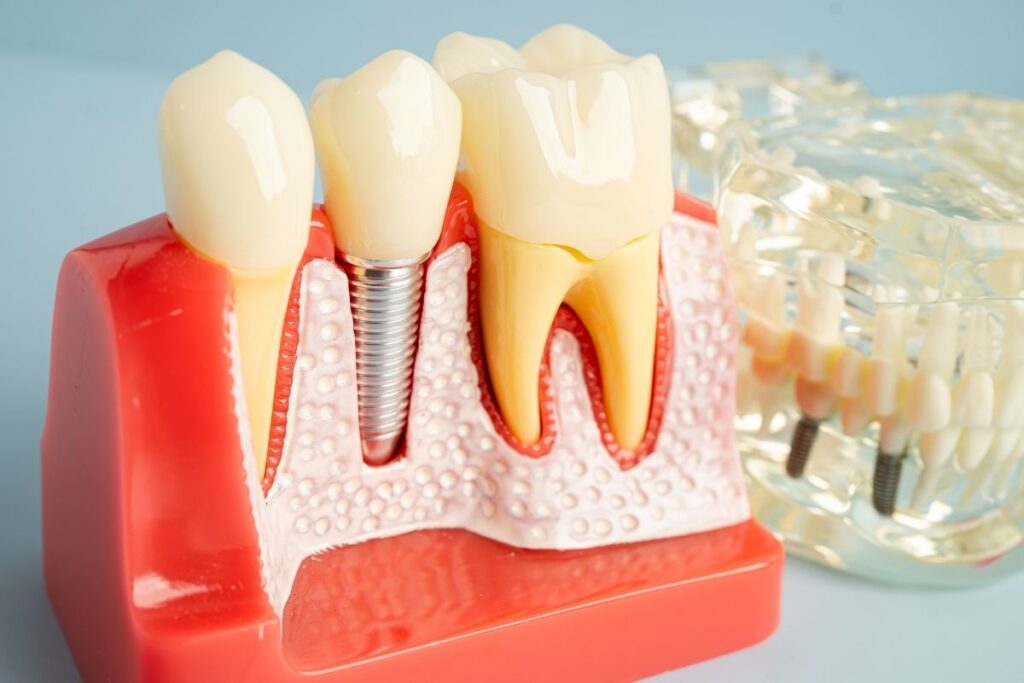
Dental implants are a long-lasting solution for missing teeth, giving a natural look and the confidence to chew and speak. However, like natural teeth, dental implants require proper care to stay healthy and infection-free. Protecting your implants from infection ensures they last for years and continue to function comfortably.
In this blog, we’ll share simple steps to keep your dental implants clean, healthy, and free from infection.
How Infection Can Affect Your Dental Implants
Dental implants are made from strong, biocompatible materials, but they are not immune to problems. Bacteria can build up around the implant if proper hygiene is not maintained, leading to infections such as peri-implantitis. This condition can damage gums and the supporting bone, putting the implant at risk.
Maintaining daily care, professional checkups, and healthy habits is essential to prevent complications and ensure the long-term success of your dental implant treatment.
Signs of Infection Around a Dental Implant
Early detection is key. Contact your dentist immediately if you notice:
-
Red, swollen, or tender gums around the implant
-
Persistent pain or discomfort
-
Bleeding while brushing or flossing
-
Pus or discharge from the implant site
-
Looseness or shifting of the implant
Prompt care can prevent minor issues from becoming serious complications.
Daily Habits to Keep Dental Implants Healthy
Good oral hygiene is important for defense against infection. Here are key habits to incorporate into your daily routine:
1. Brush Your Teeth Twice a Day
Use a soft-bristled toothbrush and non-abrasive toothpaste to clean all surfaces of your teeth and implants. Brushing after meals helps remove food particles and plaque.
2. Floss or Use Interdental Brushes
Cleaning between teeth and around implants is essential. Dental floss designed for implants or interdental brushes can remove debris that a toothbrush might miss.
3. Rinse With an Antimicrobial Mouthwash
Using an alcohol-free antimicrobial rinse helps reduce bacteria in the mouth and protect your gums around the implant.
4. Avoid Smoking
Smoking can reduce blood flow to the gums, slow healing, and increase the risk of infection around implants.
5. Maintain a Healthy Diet
A balanced diet rich in vitamins and minerals supports gum and bone health, which is critical for implant stability.
Professional Care for Implant Health
Even with the best home care, professional dental care is necessary to prevent infection.
Regular Dental Checkups
Schedule routine checkups with your dentist to monitor your implants. Your dentist can detect early signs of infection, assess the stability of your implants, and clean hard-to-reach areas at home.
Professional Cleaning
Dental professionals use specialized tools to remove plaque and tartar around implants without damaging the implants. Regular cleaning helps keep your gums healthy and prevents infection.
Keep Your Dental Implants Healthy
Protecting your dental implants from infection is essential for long-term success and comfort. At Heritage Family Dentistry in Frisco, TX, our experienced dental team is dedicated to guiding you through proper care and maintenance, ensuring your implants remain healthy and functional.
If you are experiencing infection or discomfort around your dental implants or want to ensure their longevity, schedule an appointment today. We are here to help you maintain a healthy, infection-free smile.
FAQs About Maintaining Dental Implants
1. How often should I visit the dentist after getting implants?
Regular checkups every six months are recommended, but your dentist may suggest more frequent visits initially.
2. Can I floss around my dental implant?
Yes, using implant-specific floss or interdental brushes helps remove plaque and bacteria from hard-to-reach areas.
3. What foods should I avoid with implants?
Avoid extremely hard or sticky foods that could stress the implant or surrounding tissue.
4. How do I know if my implant is infected?
Watch for redness, swelling, bleeding, pain, or unusual discharge around the implant site.
5. Can smoking affect my dental implants?
Yes, smoking slows healing, increases infection risk, and can compromise implant stability.
6. Are there special toothpastes or brushes for implants?
Use a soft-bristled toothbrush and non-abrasive toothpaste. Your dentist may recommend additional tools, such as interdental brushes.
7. Can dental implants fail due to infection?
Yes, untreated infections can lead to implant failure, which is why proper hygiene and regular professional care are essential.