
A cracked tooth can result from something as simple as biting into a hard piece of food or from years of wear and tear from daily chewing. While some cracks are minor, others can reach deeper layers of the tooth and cause significant discomfort. When a crack extends into the inner portion of the tooth, many patients wonder whether a root canal can save it.
In many cases, root canal therapy is an effective way to preserve a damaged tooth, relieve pain, and prevent further complications. Understanding how cracked teeth are evaluated and treated can help you make informed decisions about your oral health.
What Happens When a Tooth Cracks?
Not all cracks are the same. Some remain confined to the outer enamel and may never cause symptoms, while others penetrate deeper into the tooth structure and affect the pulp, the soft tissue inside the tooth that contains nerves and blood vessels.
When bacteria enter through a crack and reach the pulp, inflammation and infection can develop. At this stage, the tooth often becomes painful and requires professional treatment to prevent further damage.
Cracked teeth can occur for several reasons, including:
- Biting hard foods or objects
- Teeth grinding or clenching
- Large existing fillings that weaken tooth structure
- Sudden temperature changes in the mouth
- Natural aging and wear over time
- Dental trauma or injury
Early diagnosis is important because cracks tend to worsen when left untreated.
How to Know If a Root Canal Is Necessary
A root canal may be recommended when a crack extends deep enough to affect the pulp tissue. Once the nerve becomes inflamed or infected, the tooth cannot heal on its own.
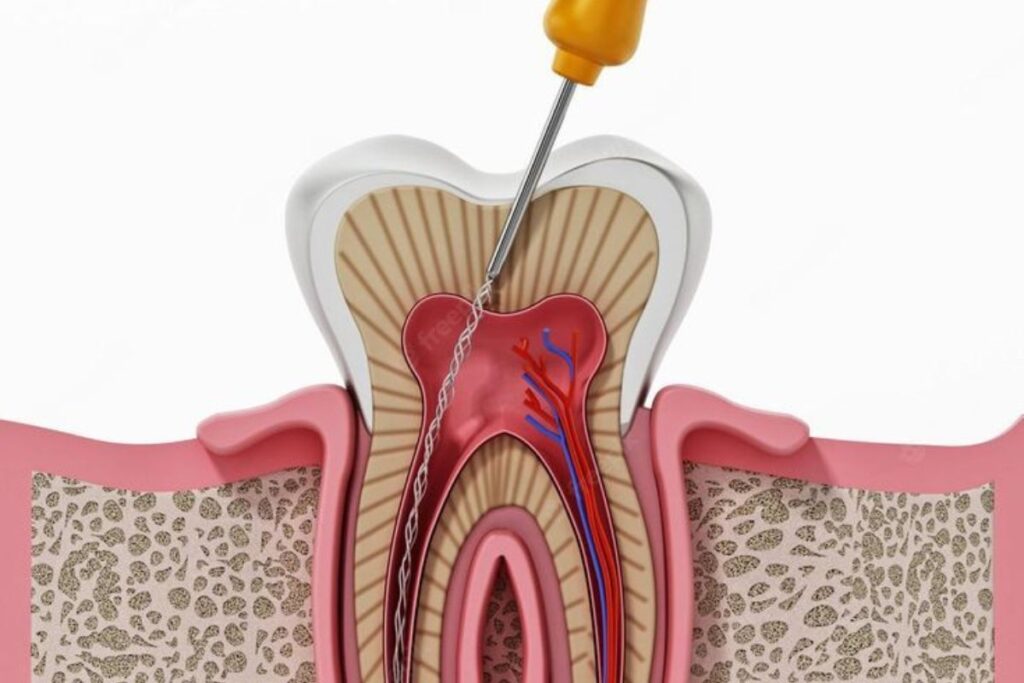
Root canal therapy removes the damaged pulp, disinfects the inside of the tooth, and seals the canals to prevent future infection. This allows the natural tooth to remain in place while eliminating the source of pain.
Not every cracked tooth requires a root canal. Small surface cracks may only need monitoring, bonding, or a protective dental crown. However, deeper fractures often require more extensive treatment.
How Dentists Identify Hidden Tooth Cracks
A cracked tooth can be challenging to diagnose, especially in its early stages, because the symptoms are often inconsistent and difficult to detect during a routine examination. To accurately identify the problem, dentists use several diagnostic techniques to carefully evaluate the tooth and surrounding structures.
Bite Testing
A bite test helps identify cracks that cause pain during chewing. Patients bite down on a specialized dental instrument while the dentist assesses where they feel discomfort.
Pain when pressure is applied or released can be a strong indicator of a fracture.
Transillumination
This technique involves shining a bright dental light through the tooth. Cracks may interrupt the flow of light and become visible as dark lines or shadows.
Transillumination is particularly useful for detecting fractures that cannot be seen with the naked eye.
Digital Dental X-Rays
Although small cracks do not always appear on X-rays, digital imaging can reveal signs of infection, inflammation, bone loss, or other damage associated with a fractured tooth.
These images provide valuable information about the health of the surrounding structures.
Advanced 3D Imaging
In certain situations, three-dimensional imaging may be used to gain a more detailed view of the tooth and surrounding tissues. This technology can help identify complex fractures and guide treatment planning.
A thorough diagnosis allows your dentist to determine whether the tooth can be preserved and which treatment option will provide the best long-term outcome.
How Root Canal Treatment Protects Damaged Teeth
When the pulp becomes infected or inflamed due to a crack, root canal therapy can often save the tooth from extraction.
The procedure typically involves:
- Numbing the affected area for comfort.
- Creating a small opening in the tooth.
- Removing damaged or infected pulp tissue.
- Cleaning and disinfecting the root canals.
- Sealing the canals to prevent future infection.
- Restoring the tooth with a filling or crown.
Following treatment, a dental crown is commonly recommended to reinforce the tooth and protect it from additional stress. Because cracked teeth are structurally weaker, the crown plays an important role in preserving the tooth and restoring normal function.
When a Root Canal May Not Be Enough
Root canal treatment is not suitable if:
The crack extends below the gum line.
The root is fractured vertically.
There is extensive bone loss around the tooth.
In such cases, extraction followed by a bridge, a dental implant, or a partial denture may be recommended to restore the missing teeth.
Why Prompt Dental Care Makes a Difference
One of the most important things to understand about fractured teeth is that they do not heal on their own. Left untreated, a small crack becomes a pathway for bacteria to enter the pulp and surrounding bone, leading to infection, abscesses, and the eventual loss of the tooth.
Early intervention increases the chances of saving a tooth with a tooth nerve removal and reduces the need for more extensive treatment later on. For Amarillo residents, seeking prompt care can make a big difference, not just in your oral health but also in your long-term comfort and confidence.
Get Expert Care for Cracked Teeth in North Dallas
A cracked or damaged tooth should never be ignored, as the condition can worsen over time and lead to severe pain, infection, or even tooth loss. With timely root canal treatment, it is often possible to save the natural tooth, relieve discomfort, and protect your long-term oral health. Early care can also help prevent the need for more extensive dental procedures in the future.
At Heritage Family Dentistry, our experienced dental team uses advanced technology and precise diagnostic techniques to provide effective treatment for cracked and fractured teeth. From the initial examination to the final dental placement, we guide patients through every stage of care with comfort and attention to detail. Visit our North Dallas office today to restore your teeth and protect them from further damage with expert dental care.
FAQs About Root Canal Treatment for Cracked Teeth
1. Can a root canal save a cracked tooth?
Yes. If the crack has reached the pulp but has not completely split the tooth, a root canal can often remove the infection and preserve the natural tooth. A crown is typically placed afterward to strengthen and protect it.
2. What symptoms suggest a cracked tooth may need a root canal?
Common symptoms include pain when chewing, lingering sensitivity to hot or cold, gum swelling, and intermittent tooth pain. These signs often indicate that the crack has affected the nerve tissue inside the tooth.
3. Is root canal treatment painful?
Modern root canal treatment is generally no more uncomfortable than receiving a routine filling. Local anesthesia keeps the procedure comfortable, and most patients experience relief once the infected tissue is removed.
4. What happens if a cracked tooth is left untreated?
Without treatment, bacteria can enter the tooth through the crack, causing infection, abscess formation, severe pain, bone loss, and eventual tooth loss.
5. Will I need a crown after a root canal?
In many cases, yes. A crown helps strengthen the tooth, prevent further fractures, restore function, and improve long-term durability.
6. Can every cracked tooth be treated with a root canal?
No. If the crack extends below the gumline, affects the root, or severely compromises the tooth’s structure, extraction may be necessary. Your dentist will evaluate the damage and recommend the most suitable treatment.