
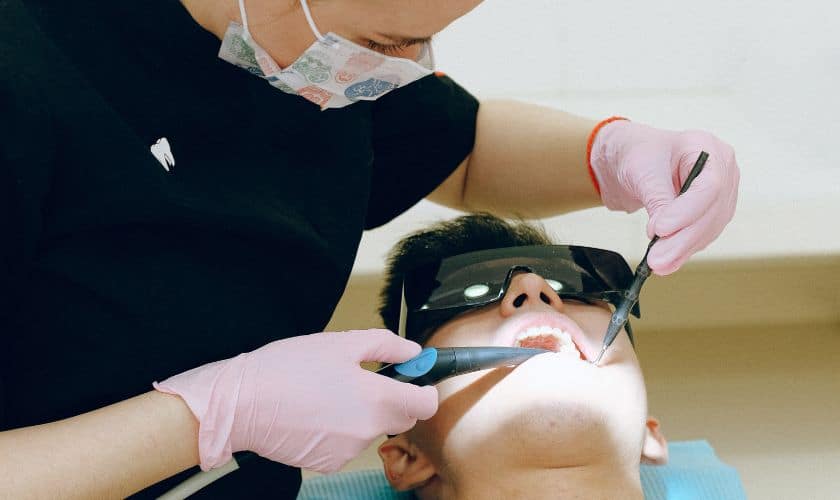
Have you ever experienced sudden dental pain or an unexpected injury to your teeth? These situations can be incredibly stressful, and knowing whether or not they require emergency treatment can add to the confusion. In this blog post, we’ll explore what qualifies as emergency dental treatment and when you need to seek immediate care. We’ll also discuss the signs that indicate a trip to the dentist is necessary, as well as some tips on how to prepare for such emergencies. So sit back, relax, and let’s dive into everything you need to know about emergency dental treatments.
What Is An Emergency Dental Treatment?
Emergency dental treatment refers to any dental care that requires immediate attention due to sudden and severe pain or injury. It is different from routine dental procedures that can be scheduled in advance, such as teeth cleaning or fillings. Emergency treatments are meant to provide relief for patients experiencing unbearable discomfort, swelling or bleeding caused by trauma or other oral health issues.
Examples of emergency dental treatments include but are not limited to severe toothaches, knocked-out teeth, broken crowns or bridges, abscesses and infections. These conditions require prompt intervention from a dentist who can diagnose the problem and recommend appropriate treatment options.
In some cases, delaying an emergency visit could lead to more serious complications down the line. For instance, untreated infections can spread throughout the body and cause life-threatening complications if left unchecked for too long.
Knowing when it’s time for an emergency visit is crucial in maintaining optimal oral health while avoiding unnecessary stress and discomfort.
When Do You Require An Emergency Dental Treatment?
When it comes to dental emergencies, timing is crucial. Delaying treatment could worsen the situation and lead to more extensive procedures down the road. But how do you know if your dental issue requires emergency attention?
The most common reasons for seeking emergency dental care include severe toothaches, knocked-out teeth, broken or chipped teeth, and abscesses. These issues can cause intense pain, bleeding or swelling in the mouth.
Other signs that may indicate a need for immediate treatment include sudden sensitivity to hot or cold temperatures, difficulty swallowing or breathing due to oral swelling, and damage to braces or other orthodontic appliances.
If you experience any of these symptoms or have sustained an injury to your mouth/teeth during physical activity – seek professional help immediately. Calling your dentist after hours will provide instructions on what steps should be taken next.
Remember: When it comes to urgent dental concerns – time is of the essence!
What Are The Signs That You May Require An Emergency Dental Treatment?
There are various signs that may indicate the need for emergency dental treatment. One of the most common symptoms is a persistent toothache, which can be caused by decay or infection in the tooth. If left untreated, this may lead to further complications such as an abscess.
Swelling around the face or gums is also a sign that something isn’t right and needs urgent attention. This could be due to an abscess or infection that has spread from the affected area.
If you experience sudden sensitivity to hot and cold food or drinks, this too could indicate a dental emergency. This may be due to exposed roots, cavities or other underlying issues that require immediate attention.
Other signs include bleeding gums after brushing your teeth, loose teeth or fillings, broken dentures and trauma to your mouth such as chipping a tooth during sports activities.
It’s important to remember that any pain in your mouth should not be ignored; prompt action with professional assistance will ensure you receive appropriate care before any problems escalate into more serious issues.
How Can You Prepare For An Emergency Dental Treatment?
When it comes to emergency dental treatments, the best way to prepare is by being proactive. Start by researching and identifying reputable dental practices in your area that offer emergency services. Keep their contact information handy in case of an emergency.
It’s also essential to have a basic understanding of what constitutes a dental emergency. If you experience severe pain, bleeding, or swelling in your mouth, seek immediate treatment. Don’t wait for things to get worse before seeking help.
If you’re experiencing any discomfort or pain in your teeth or gums but are unsure if it’s an emergency, call the dentist for advice. They can guide you on whether you need urgent care or if it can wait until regular business hours.
Another way to prepare for an emergency dental treatment is by having insurance coverage that includes emergency services. Check with your provider about what’s covered under your plan so that you don’t have any surprises when it comes time to pay for treatment.
Make sure that someone knows where you’re going and why if you need an unexpected trip to the dentist due to a dental issue outside regular business hours. This could be useful should complications arise during treatment as they will know where and how to find you quickly
Signing Off
It is important to understand the difference between regular dental appointments and emergency dental treatments. Emergency dental treatments are necessary in situations where immediate care is required to alleviate pain or prevent further damage. Some of the signs that indicate an emergency may include severe toothaches, bleeding gums, cracked or broken teeth, and injuries to the mouth.
To prepare for such situations, it is always a good idea to have a plan in place. This includes having access to your dentist’s contact information at all times and knowing what steps you can take on your own before reaching out for help.
Remember that prompt action can make all the difference when dealing with oral health emergencies. By being aware of potential warning signs and taking proactive measures as needed, you can ensure that you receive the care you need when you need it most.