
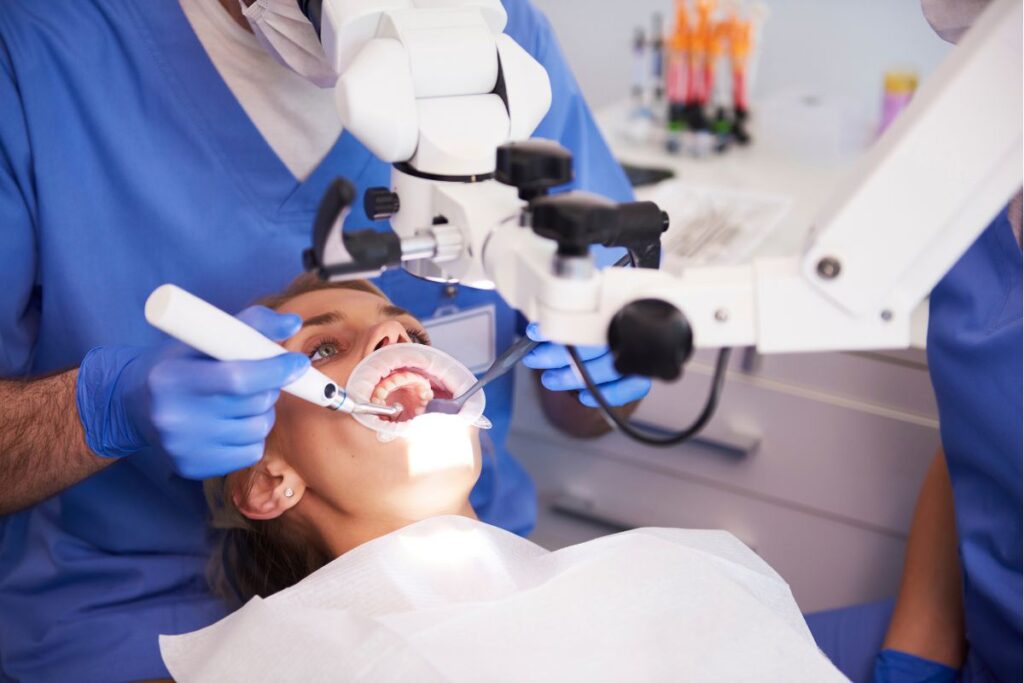
A dental crown can help protect a weakened tooth, restore its shape, and improve everyday chewing function. With consistent oral hygiene and regular dental checkups, a well-maintained crown can serve you for many years. However, the crown and the natural tooth underneath it still need proper care.
For patients considering or already wearing dental crowns in North Dallas, understanding daily maintenance can help protect their investment and reduce the risk of avoidable dental problems. Heritage Family Dentistry provides dental care for patients in North Dallas, including restorative treatment for teeth that need additional support.
What Is a Dental Crown?
A dental crown is a custom-made covering that fits over a tooth to restore its shape, strength, and appearance. Dentists may recommend a crown when a tooth has significant decay, a large filling, a fracture, or damage following certain dental procedures.
Crowns can also be used to restore a tooth after root canal treatment or to complete some dental implant restorations. The right approach depends on the condition of the tooth and your overall oral health.
If you are exploring restorative options, learn more about dental crown treatment at Heritage Family Dentistry in North Dallas, TX.
1. Brush Twice a Day
Brushing twice daily with fluoride toothpaste helps remove plaque and food particles around your crown. Pay particular attention to the gumline where the crown meets the natural tooth. Plaque can accumulate in this area and contribute to gum inflammation or decay in the remaining tooth structure.
Use a soft-bristled toothbrush and gentle pressure. Brushing aggressively will not make your teeth cleaner and may irritate your gums.
Although the crown itself cannot develop a cavity, the natural tooth underneath and around its edges can still be affected by decay.
2. Clean Between Your Teeth Every Day
Flossing remains important after receiving a dental crown. Food and plaque can collect between crowned teeth and neighboring teeth, creating conditions that may contribute to gum disease or decay.
Carefully guide floss between the teeth and clean along the gumline. If traditional floss is difficult to use, ask your dentist about alternatives that suit your needs.
Daily cleaning is especially helpful for maintaining the health of the tissues surrounding a crown and protecting the tooth supporting it.
3. Avoid Biting Hard Objects
Crowns are designed to withstand normal chewing, but they are not indestructible. Biting ice, hard candy, nutshells, or other very hard objects can damage a crown or the underlying tooth.
Avoid using your teeth to open packages or tear objects. These habits can place unnecessary pressure on dental restorations.
If you regularly chew hard foods, ask your dentist whether any adjustments to your habits could help protect your crown.
4. Be Careful With Sticky Foods
Sticky foods, including certain chewy candies and caramels, can put stress on some dental restorations. They may also make cleaning around the crown more difficult.
You do not necessarily need to avoid every chewy food, but be mindful of how you bite and chew. If a crown feels loose or unusual after eating, contact your dental office for an evaluation instead of trying to adjust it yourself.
5. Keep Up With Dental Checkups
Regular dental examinations help your dentist assess the condition of your crown, the surrounding gums, and the remaining tooth structure. Your dentist may look for cracks, worn areas, changes in the crown’s fit, or signs of decay around its edges.
The recommended frequency of visits depends on your oral health, dental history, and risk factors. Routine professional care can help identify potential problems before they become more complicated.
Patients seeking a dentist in North Dallas can learn about available care and preventive services through Heritage Family Dentistry’s North Dallas location.
6. Address Teeth Grinding
Grinding or clenching your teeth can place excessive force on dental crowns. Over time, this pressure may contribute to wear, fractures, or discomfort.
Some people grind their teeth during sleep without realizing it. Possible signs include jaw soreness, morning headaches, worn teeth, or recurring damage to dental restorations.
If you suspect that you grind or clench your teeth, discuss it with your dentist. A custom night guard may be recommended when appropriate.
7. Pay Attention to Changes
A crown should not be ignored simply because it looks normal. Contact your dentist if you experience persistent sensitivity, pain when biting, gum swelling, a loose crown, or a change in how your teeth fit together.
If a crown comes off, keep it safe and contact your dental office promptly. Avoid using household glue or attempting a permanent repair yourself.
Prompt evaluation can help determine whether the crown can be recemented or whether another treatment is needed.
Protect Your Dental Crown With Consistent Care
Daily brushing, flossing, mindful eating habits, and regular dental visits can help you maintain your crown and the tooth underneath it. The lifespan of a crown varies depending on its material, placement, bite forces, oral hygiene, and other individual factors.
For patients looking into dental crowns in North Dallas, Heritage Family Dentistry can help assess a damaged or weakened tooth and discuss suitable restorative options.
You can also find Heritage Family Dentistry in North Dallas on Google Maps to locate the practice and view available business information.
Frequently Asked Questions
How long do dental crowns last?
Dental crowns can last many years, but their lifespan varies. Oral hygiene, the crown material, bite pressure, and regular dental care all influence how long a restoration remains functional.
Can a crowned tooth still develop a cavity?
Yes. The crown itself cannot develop tooth decay, but the natural tooth beneath or around its edges can. Brushing, flossing, and regular dental examinations help protect the supporting tooth.
Should I floss around a dental crown?
Yes. Daily cleaning between the teeth helps remove plaque and food debris around the crown and along the gumline.
When should I see a dentist about a crown?
Seek a dental evaluation if your crown feels loose, cracks, comes off, or causes persistent pain, sensitivity, or discomfort when chewing.
Where can I learn about dental crowns in North Dallas?
Visit the dental crowns page at Heritage Family Dentistry in North Dallas, TX to learn more about crown treatment and restorative dental care.