
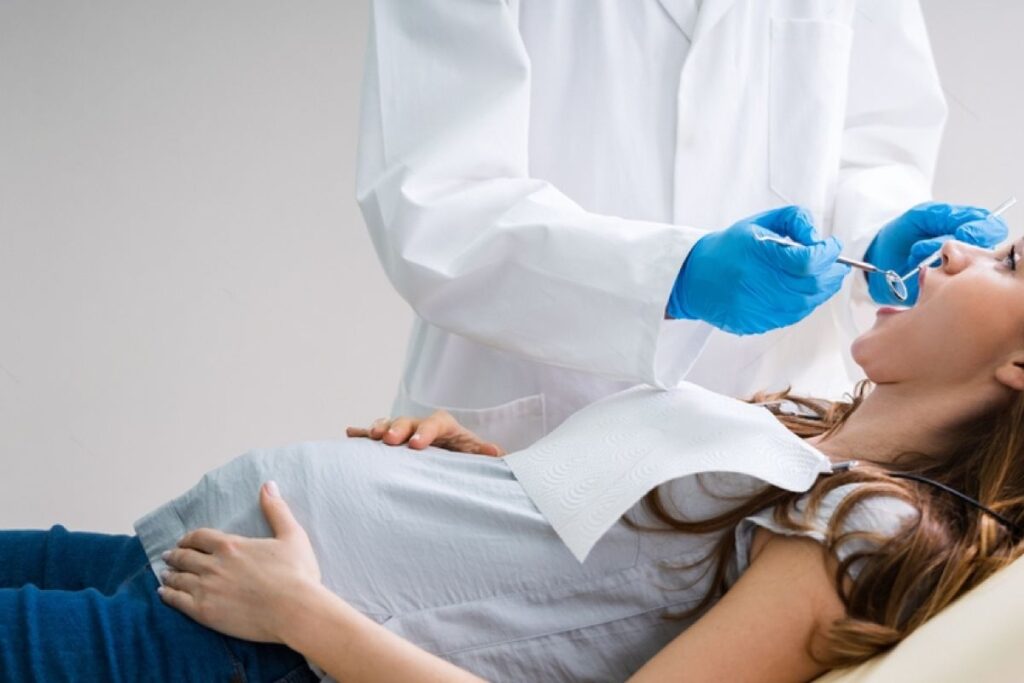
Pregnancy brings physical changes that can affect many aspects of health, including the mouth. Hormonal changes may make the gums more sensitive to plaque, while nausea, vomiting, changes in eating habits, and acid exposure can affect teeth and gums.
Maintaining oral health during pregnancy is an important part of general preventive care. Patients in Frisco, TX, should not assume that routine dental visits must be postponed until after delivery. In many cases, preventive care and necessary dental treatment can continue during pregnancy with appropriate precautions.
Heritage Family Dentistry provides family dental care in Frisco, where patients can discuss their dental concerns and individual care needs with a dental professional.
Why Oral Health Matters During Pregnancy
Pregnancy-related hormonal changes can increase the gums’ response to plaque, sometimes leading to pregnancy gingivitis. Symptoms may include redness, tenderness, swelling, or bleeding during brushing and flossing.
Morning sickness and reflux can also expose the teeth to stomach acid. Repeated acid exposure may weaken enamel over time, particularly if teeth are brushed immediately after vomiting.
These changes do not mean dental problems are inevitable. Good oral hygiene, balanced eating habits, and appropriate professional care can help protect your teeth and gums throughout pregnancy.
1. Keep Up With Routine Dental Visits
Regular dental examinations help identify issues such as tooth decay, gum inflammation, and other concerns that may require attention. A dentist can also provide personalized advice on brushing, flossing, and managing pregnancy-related oral changes.
Routine and necessary dental care can generally be provided during pregnancy. Be sure to tell the dental team how far along you are and whether your pregnancy involves any medical considerations that may affect treatment.
If you need a local dental provider, learn more about family dentistry at Heritage Family Dentistry in Frisco, TX.
2. Watch for Pregnancy Gingivitis
Pregnancy gingivitis can cause gums to become swollen, tender, or more likely to bleed. Plaque buildup is a major contributing factor, so daily oral hygiene remains important.
Brush twice a day with fluoride toothpaste and clean between your teeth daily. Use gentle techniques rather than avoiding the gumline because it feels sensitive.
If bleeding, swelling, or discomfort persists, arrange a dental evaluation. Your dentist can assess the gums and recommend appropriate care.
3. Manage Morning Sickness Carefully
Vomiting exposes the teeth to stomach acid, which can temporarily soften the enamel surface. Brushing immediately afterward may increase the risk of enamel wear.
Instead, rinse your mouth with water after vomiting. You can also ask your dental professional whether a suitable fluoride rinse would be helpful. Wait before brushing, allowing the enamel to recover from the acid exposure.
If nausea is frequent or you have difficulty maintaining oral hygiene, discuss practical options with your dental and medical care providers.
4. Choose Tooth-Friendly Foods and Drinks
Frequent sugary snacks and drinks can increase the risk of tooth decay. During pregnancy, changes in appetite and eating patterns may make snacking more common.
Whenever possible, choose nutritious foods that support your overall health and limit how often teeth are exposed to sugary drinks or snacks. Water is a useful choice for hydration and helps rinse away food particles.
If you experience frequent cravings or need to eat small amounts throughout the day, maintaining a consistent brushing and flossing routine becomes especially important.
5. Ask Before Taking Dental Medication
Do not start, stop, or change medication without appropriate professional guidance during pregnancy. If you need dental treatment, tell your dentist about your pregnancy, current medications, allergies, and any instructions from your obstetric care provider.
Your dentist can evaluate the problem and discuss appropriate treatment options. Necessary care should not automatically be delayed simply because you are pregnant; untreated dental infections or significant pain may also require timely attention.
For more complicated medical circumstances, coordination between your dentist and obstetric care provider may be appropriate.
6. Understand Dental X-Rays and Treatment
Dental X-rays may be used during pregnancy when they are needed to diagnose or manage a dental problem. Your dentist should consider the clinical need for imaging and follow appropriate radiation-reduction practices.
Tell your dental team if you are pregnant or may be pregnant before imaging or treatment begins. They can explain the reason for any recommended procedure and discuss your individual circumstances.
Elective treatment that is not urgent may sometimes be planned for a more convenient time, but urgent dental problems should be assessed promptly.
7. Do Not Ignore Dental Pain or Swelling
Persistent tooth pain, facial swelling, pus, or worsening gum symptoms should not be ignored during pregnancy. Some dental problems can progress if left untreated.
Contact a dental professional promptly if you notice signs of infection or a significant change in your oral health. Severe facial swelling, difficulty breathing, or difficulty swallowing requires urgent medical attention.
Seeking care early can help identify the cause of the problem and determine the safest appropriate treatment.
Find Family Dental Care in Frisco, TX
Pregnancy is a good time to pay attention to oral hygiene and address dental concerns rather than putting them off automatically. Routine examinations, gum care, and timely treatment can help maintain oral health during this stage of life.
For patients looking for a dentist in Frisco, Heritage Family Dentistry offers a local option for discussing preventive and restorative dental needs. Visit the Heritage Family Dentistry Frisco location page to learn more about the practice.
You can also find Heritage Family Dentistry in Frisco on Google Maps to locate the practice and view available business information.
If you have questions about dental care during pregnancy or need to discuss your oral health needs, schedule a dental appointment at Heritage Family Dentistry in Frisco, TX to connect with the dental team.
Frequently Asked Questions
Is it safe to visit a dentist during pregnancy?
Routine dental examinations and necessary dental care can generally continue during pregnancy. Tell your dentist about your pregnancy so treatment can be planned appropriately.
Can pregnancy cause bleeding gums?
Yes. Hormonal changes can make the gums more sensitive to plaque, which may cause redness, swelling, or bleeding. Persistent symptoms should be evaluated by a dentist.
Can I have dental X-rays while pregnant?
Dental X-rays may be appropriate when clinically necessary. Your dentist should assess the need for imaging and use appropriate precautions to minimize exposure.
What should I do after vomiting during pregnancy?
Rinse your mouth with water and avoid brushing immediately. Waiting before brushing helps reduce the risk of damaging enamel that has been softened by stomach acid.
Where can I find a dentist in Frisco during pregnancy?
You can learn more about family dental care at Heritage Family Dentistry in Frisco, TX and discuss your dental care needs with a dental professional.