
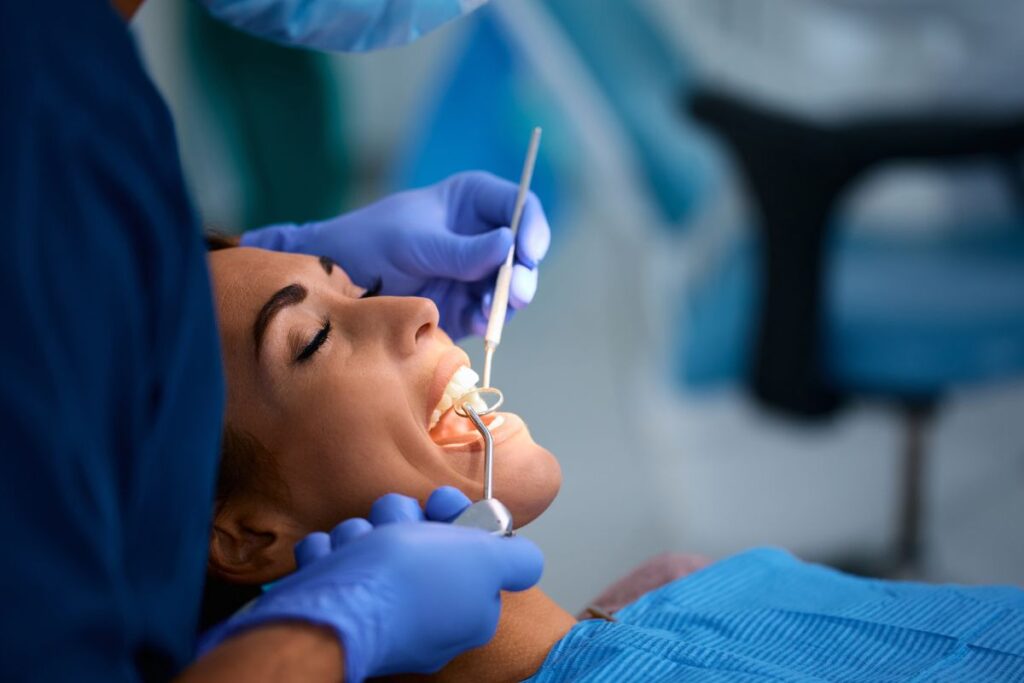
Dental anxiety is a very real concern for millions of people across the United States. For some, even the thought of sitting in a dentist’s chair can trigger chest tightness, a racing heart, or intense fear that prevents them from seeking essential dental care. If this sounds familiar, you’re not alone, and sedation dentistry might just be the solution you’ve been looking for.
Understanding Sedation Dentistry
Sedation dentistry refers to the use of medication to help patients relax before and during dental procedures. It’s an effective way to ease stress and create a more comfortable experience, especially for those with dental anxiety or phobias. These medications can range from minimal sedation (where you’re awake but relaxed) to more profound levels like oral sedation or intravenous (IV) sedation, depending on your needs and the complexity of the treatment.
Why Dental Fear Happens
Dental fear or anxiety may arise from past negative experiences, a fear of pain, feeling out of control, sensory sensitivities, or even just the sounds and sensations of the dental office. These emotions can be strong enough to cause a person to delay or avoid visits, which can lead to worsening oral health problems over time.
Ignoring dental care doesn’t make these fears disappear; it makes treatment more complicated and potentially more uncomfortable when postponed. Sedation dentistry helps break this cycle by making dental treatment approachable and anxiety-free for patients who might otherwise avoid care.
How Sedation Dentistry Helps
Here’s how sedation dentistry offers a solution for patients with dental anxiety and fear:
1. Significantly Reduces Anxiety
The primary advantage of sedation dentistry is its ability to calm nerves and reduce stress both before and during treatment. Sedatives help create a relaxed mental state so you can undergo dental work without feeling fear or panic. This calming effect makes it easier for many patients to receive the care they need without prolonged dread or apprehension.
2. Enhances Overall Comfort
Sedation not only affects your mindset, but it also works with your body to reduce discomfort during procedures. When you’re relaxed, muscle tension decreases, and pain perception lessens — making dental appointments much more comfortable, even for procedures that might otherwise feel intimidating. Many patients report that sedation makes them feel calm throughout the entire experience.
3. Alters Time Perception
If long dental visits make you feel uneasy, sedation can help. Many patients report that time passes quickly under sedation—even during more complex or lengthy treatments—which can dramatically improve the dental experience for those who struggle to sit still or stay calm for long periods.
4. Improves Treatment Efficiency
Because you are calmer and more cooperative, your dentist can perform procedures more efficiently and with greater precision. This can lead to shorter appointment times, the ability to complete multiple treatments in a single session, and fewer visits overall — a huge benefit for busy patients or those who find dental visits stressful.
5. Encourages Regular Dental Visits
Once dental care is no longer frightening, many patients become more consistent about attending regular checkups and preventive care. This contributes to better overall oral health and reduces the risk of more serious issues developing later. Sedation dentistry often encourages patients who previously avoided dental appointments to stay engaged with their oral health.
6. Benefits Patients with Special Needs
Sedation dentistry isn’t only for adults with anxiety. It’s also helpful for patients with physical disabilities, special needs, a strong gag reflex, or difficulties sitting still. By creating a calm environment, sedation helps ensure that every patient receives the dental care they need without distress or struggle.
Types of Sedation Used in Dentistry
Dentists offer a variety of sedation options based on each patient’s level of anxiety, health history, and the type of procedure planned:
- Nitrous Oxide (Laughing Gas): A mild sedative inhaled through a mask that helps you feel relaxed quickly. The effects wear off soon after the procedure, allowing you to return to your daily routine.
- Oral Conscious Sedation: Taken before your appointment, this medication helps you enter a deeper state of relaxation and may cause drowsiness or light sleepiness.
- IV Sedation: Delivered through a vein, this method provides deeper relaxation and is often used for more complex or lengthy procedures.
Your dental team will discuss which type is most appropriate for your unique needs and ensure you feel comfortable throughout every step of your treatment.
Is Sedation Dentistry Right for You?
Sedation dentistry is ideal for patients who:
- Experience dental anxiety or fear
- Have a sensitive gag reflex.
- Need extensive or complex dental work.
- Have had negative dental experiences in the past
- Struggle to sit still or relax during dental visits.
- Have special healthcare needs or sensory sensitivities
Even if you’ve avoided the dentist for years due to fear, sedation can help you get the essential dental care you need without stress or discomfort.
Creating a Positive Dental Experience
Dental anxiety shouldn’t stand between you and the healthy, beautiful smile you deserve. With sedation dentistry, patients can overcome fear and relax during treatment. At Heritage Family Dentistry in North Dallas, TX, we’re committed to helping patients feel at ease every step of the way.
If dental anxiety has kept you from getting the care you need, contact us today to get stress-free dental treatment in a welcoming environment.
FAQs About Sedation Dentistry for Dental Fear and Anxiety
Is sedation dentistry safe?
Yes, sedation dentistry is safe when administered by trained professionals. Your dentist will review your medical history to ensure the right option for you.
Who is a good candidate for sedation dentistry?
Patients with dental anxiety, low pain tolerance, strong gag reflex, or those needing extensive treatment may benefit from sedation dentistry.
How long does sedation last after treatment?
It depends on the type used. Some effects wear off quickly, while oral or IV sedation may require someone to drive you home.
What types of sedation are available in dentistry?
Common options include nitrous oxide (laughing gas), oral sedation, IV sedation, and general anesthesia. Your dentist will recommend the best option based on your needs.
Does sedation dentistry eliminate pain?
Sedation helps you relax, while local anesthesia prevents pain. Together, they ensure a comfortable and stress-free experience.
Can children receive sedation dentistry?
Yes, sedation can be safely used for children with severe anxiety or difficulty sitting still. The dentist will determine the safest approach based on age and health.
Are there any side effects of sedation dentistry?
Some patients may experience drowsiness, dry mouth, or mild nausea. These effects are usually temporary and resolve quickly.