
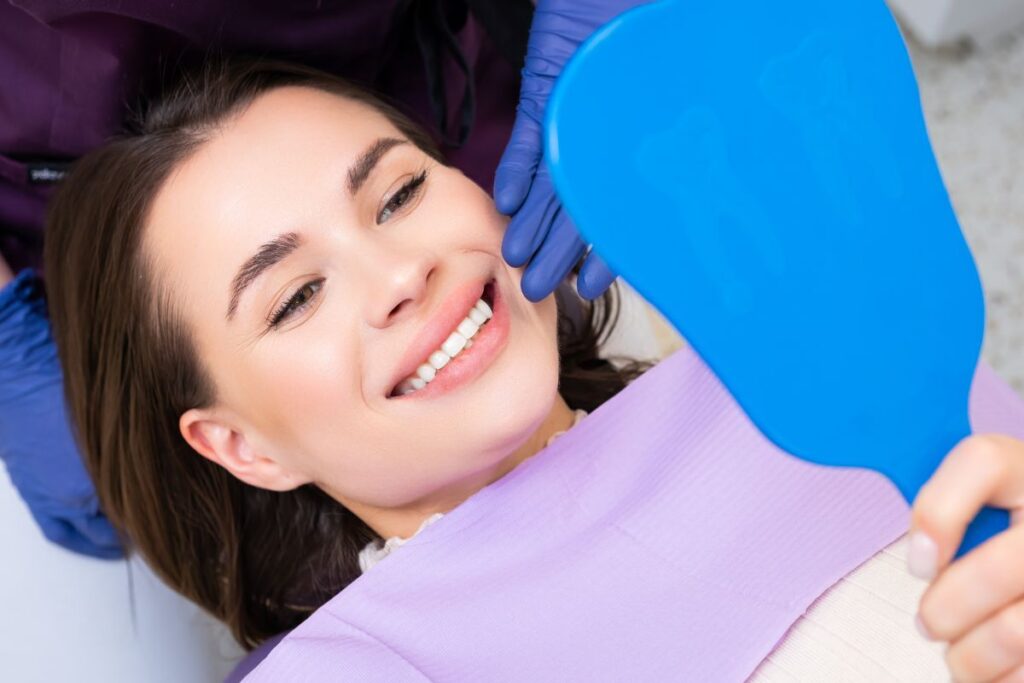
A bright, white smile is often associated with confidence, good health, and making a positive first impression. In North Dallas, where both personal and professional interactions play an important role in daily life, teeth whitening remains one of the most popular cosmetic dental treatments. Yet many patients hesitate to whiten their teeth because they worry it could weaken or damage their enamel.
Fortunately, professional teeth whitening is considered a safe and effective treatment when performed under dental supervision. Understanding how whitening works and how it affects tooth enamel can help you feel confident about enhancing your smile.
What Is Tooth Enamel?
To understand the effects of whitening, it helps to know what enamel is and why it is important. Enamel is the hard, protective outer layer of each tooth. It serves as a shield against everyday wear, harmful bacteria, temperature fluctuations, and acids found in many foods and beverages. In fact, enamel is the strongest substance in the human body—even stronger than bone.
Despite its strength, enamel cannot regenerate once it has been lost. Damage caused by erosion, excessive wear, or untreated dental conditions is permanent. Because of this, many patients are cautious about any cosmetic treatment that involves their teeth.
How Does Teeth Whitening Work?
Teeth whitening treatments use bleaching agents, most commonly hydrogen peroxide or carbamide peroxide, to break down stain molecules within the tooth structure.
Rather than scraping away or removing enamel, these whitening agents penetrate the enamel and target discoloration beneath the surface. As stains are broken into smaller particles, teeth appear brighter and whiter.
This distinction is important because many people mistakenly believe whitening products wear away enamel. When used properly, professional whitening treatments brighten teeth without removing enamel structure.
Professional Teeth Whitening vs. Store-Bought Products
Not all whitening methods offer the same level of safety, effectiveness, or customization. Understanding the differences can help you make an informed decision.
Professional Teeth Whitening
Before recommending whitening treatment, your dentist will perform a comprehensive evaluation to determine whether your teeth and gums are healthy enough for the procedure.
Your dentist may assess:
- The condition of your enamel
- Existing tooth sensitivity
- Cavities or areas of decay
- Gum health
- Existing dental restorations
Professional whitening treatments use carefully controlled concentrations of whitening agents and customized application techniques. This personalized approach helps maximize results while minimizing sensitivity and irritation. Because treatment is tailored to your individual needs, professional whitening provides more predictable outcomes and a very low risk of enamel-related complications.
Over-the-Counter Whitening Products
Whitening strips, gels, pens, and whitening toothpastes offer convenience and accessibility, but they lack professional oversight.
Many individuals use these products more frequently than recommended to achieve faster results. Overuse can increase tooth sensitivity and irritate the gums. Additionally, some products may be too weak to produce noticeable whitening, while others may be unsuitable for people with sensitive teeth.
For patients seeking optimal results while protecting their oral health, professional whitening remains the most dependable option.
Does Teeth Whitening Cause Tooth Sensitivity?
Temporary tooth sensitivity is one of the most common side effects associated with whitening treatments. As whitening agents travel through microscopic pathways in the enamel to reach deeper stains, some patients may experience temporary sensitivity to hot, cold, sweet, or acidic foods and beverages.
In most cases, this sensitivity is mild and resolves within a few days after treatment. Importantly, temporary sensitivity does not necessarily indicate enamel damage. To improve comfort, dentists often incorporate desensitizing treatments before or after whitening. Patients with a history of sensitive teeth can also benefit from customized whitening protocols designed to reduce discomfort while still delivering excellent results.
Lifestyle Habits That Affect Whitening
Your daily habits can significantly affect both the appearance of your smile and the long-term health of your enamel.
Staining Foods and Beverages
Coffee, tea, red wine, and dark-colored sodas contain pigments that can gradually discolor teeth. Foods such as berries, tomato-based sauces, and soy sauce may also contribute to staining over time. The more frequently these foods and beverages are consumed, the more likely stains are to accumulate.
Tobacco Use
Smoking and chewing tobacco can cause persistent yellow or brown discoloration that is difficult to remove. Tobacco products can also negatively impact gum health, increasing the risk of other dental concerns.
Acidic Foods and Drinks
Citrus fruits, sports drinks, carbonated beverages, and vinegar-based foods can gradually erode enamel. As enamel becomes thinner, teeth may become more susceptible to staining and sensitivity.
Inadequate Oral Hygiene
Failing to brush and floss consistently allows plaque and bacteria to accumulate on the teeth, creating an environment in which stains develop more easily. Skipping routine dental cleanings can also make discoloration more difficult to manage.
Frequent Snacking and Sipping
Constant exposure to staining or acidic substances throughout the day leaves little opportunity for saliva to naturally neutralize acids and protect tooth surfaces. For example, sipping coffee slowly over several hours can be more damaging than drinking it in a shorter period.
How to Maintain Your Whitening Results
After investing in teeth whitening, proper maintenance can help extend the life of your results.
Rinse With Water After Meals
Rinsing your mouth after consuming staining foods or beverages helps wash away pigments before they settle on tooth surfaces.
Use a Straw for Dark Beverages
Drinking iced coffee, tea, or soda through a straw reduces direct contact between the liquid and your teeth.
Follow a Consistent Oral Hygiene Routine
Daily oral care remains essential for maintaining a bright smile.
Be sure to:
- Brush twice daily using fluoride toothpaste
- Floss every day
- Replace your toothbrush regularly
Schedule Routine Dental Visits
Professional cleanings remove plaque, tartar, and surface stains that brushing alone cannot eliminate. Regular examinations also allow your dentist to identify enamel concerns before they become serious.
Reduce Habits That Cause Staining
Limiting tobacco use and reducing consumption of highly pigmented foods can significantly improve the longevity of whitening results.
Consider Periodic Touch-Up Treatments
Depending on your lifestyle and oral health habits, occasional touch-up whitening treatments may help maintain consistent brightness over time.
Whiten Your Teeth Safely and Effectively
A brighter smile should never compromise your enamel. When you take the right steps and rely on professional care, you can achieve noticeable results without unnecessary risks. At Heritage Family Dentistry, our experienced team evaluates your dental health and guides you through teeth whitening without damaging your enamel.
Visit our dental office in North Dallas and discover a personalized approach that keeps your enamel strong while whitening your teeth.
FAQs About Teeth Whitening and Enamel Health
1. Can professional teeth whitening damage enamel?
Professional teeth whitening is designed to be safe for healthy teeth. The whitening agents remove stains without stripping away enamel. When performed by a dentist, the risk of enamel damage is extremely low.
2. Why do my teeth feel sensitive after whitening?
Temporary sensitivity can occur because whitening agents penetrate the enamel to reach stains beneath the surface. This sensitivity is usually short-lived and often resolves within a few days.
3. Is teeth whitening safe for everyone?
Not always. Patients with untreated cavities, gum disease, severe enamel erosion, or certain dental restorations may need treatment before whitening. A dental evaluation helps determine eligibility.
4. How long do teeth whitening results last?
Results can last anywhere from several months to a few years, depending on your oral hygiene habits, diet, tobacco use, and whether you receive periodic touch-up treatments.
5. Are over-the-counter whitening products as effective as professional treatments?
Store-bought products may provide some improvement, but professional whitening typically delivers faster, more noticeable, and longer-lasting results while minimizing the risk of misuse.
6. Can whitening remove all types of stains?
Whitening works best on stains caused by foods, beverages, and aging. Certain intrinsic stains, medication-related discoloration, or staining beneath restorations may require alternative cosmetic treatments.
7. How can I keep my teeth white after treatment?
Maintaining good oral hygiene, limiting stain-causing foods and drinks, avoiding tobacco products, and scheduling regular dental cleanings can help preserve your whitening results.