
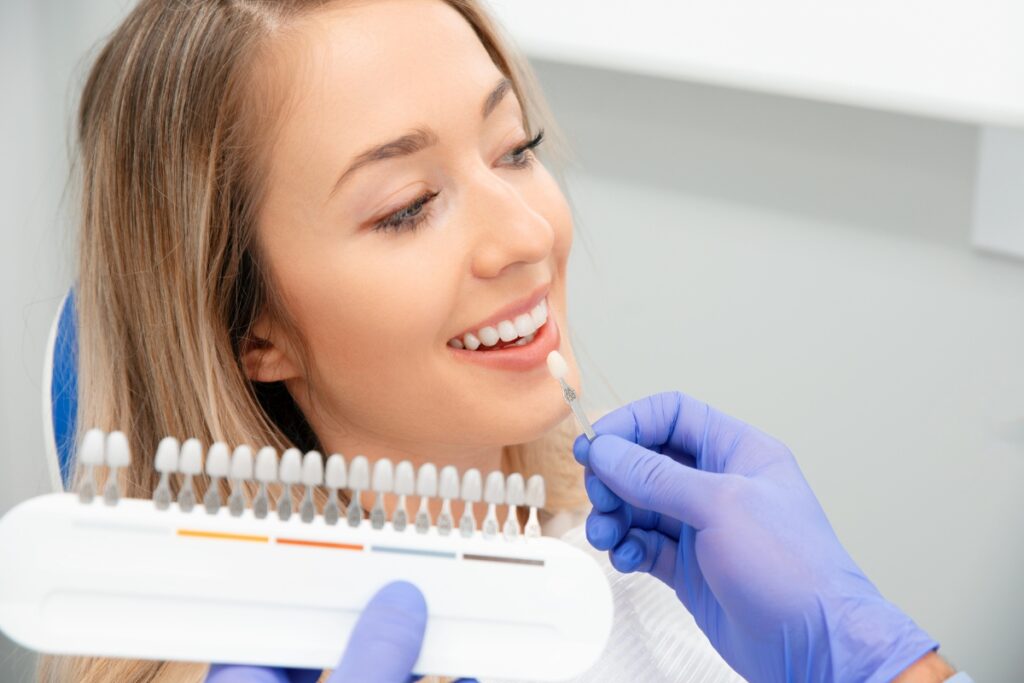
A radiant smile can significantly boost confidence and leave a better impression. However, issues such as stained, chipped, or misaligned teeth can affect the overall appearance of your smile. Modern dentistry offers practical solutions, and dental veneers have become a popular choice for achieving a flawless, natural-looking smile.
Dental veneers are thin, custom-made shells that cover the front surfaces of teeth, enhancing their appearance. When used as part of a veneers smile transformation or cosmetic smile enhancement, patients can achieve a seamless improvement in the shape, color, and alignment of their teeth, resulting in a flawless, natural-looking smile.
What Are Dental Veneers?
Dental veneers are ultra-thin shells made from porcelain or composite resin that fit over the front of your teeth. They can transform your smile by correcting imperfections such as chips, gaps, and discoloration, giving you a natural, polished appearance. For those seeking a complete smile transformation, a smile makeover with veneers provides a durable, stain-resistant solution that enhances your teeth while maintaining their natural beauty.
Types of Veneers Available
-
Porcelain Veneers: Known for their natural translucency and durability, porcelain veneers mimic the appearance of natural teeth and resist stains.
-
Composite Veneers: Made from tooth-colored resin, these are less expensive than porcelain veneers and can be applied in a single visit, though they may be slightly less durable.
Benefits of Choosing Veneers for Your Smile Makeover
Veneers transform your smile with results that are both natural and long-lasting. They can improve the overall appearance of your teeth, enhance your self-confidence, and give you a more youthful, harmonious smile.
Common Issues Veneers Can Correct
-
Stained or discolored teeth
-
Chipped or cracked teeth
-
Minor misalignments and gaps
-
Worn-down teeth
-
Irregularly shaped teeth
By addressing these cosmetic concerns, veneers provide a fast and effective solution, often eliminating the need for more invasive treatments.
The Procedure: What to Expect During Veneer Placement
The veneer placement process begins with a consultation to assess your dental health and design a customized treatment plan. After the dentist prepares the teeth by removing a small amount of enamel, impressions are taken to create the veneers. Once ready, the veneers are bonded to the teeth with a special adhesive and cured to ensure a secure fit. The procedure is minimally invasive, and patients often notice immediate improvements in their smile’s appearance.
Caring for Your Veneers: Tips for Longevity
Proper maintenance ensures your veneers remain beautiful for years:
-
Brush twice daily with a non-abrasive toothpaste
-
Floss regularly to prevent gum disease and plaque buildup
-
Avoid biting tough foods or chewing ice
-
Schedule regular dental checkups to monitor your oral health
With routine care, veneers can maintain their shine and function for a decade or more, providing long-lasting cosmetic benefits.
Who is an Ideal Candidate for Dental Veneers?
Veneers are ideal for patients seeking to correct cosmetic imperfections while preserving their healthy teeth. Candidates should have good oral health, with no untreated cavities or gum disease. A consultation with a professional dentist in North Dallas can help determine if veneers are the right choice for your smile goals.
A smile makeover with dental veneers can dramatically enhance your appearance, boost confidence, and provide long-lasting results. Patients in North Dallas, TX, can trust Heritage Family Dentistry to provide expert care and help them achieve a beautiful, natural-looking smile. Schedule a consultation today to explore your options and start your smile transformation.
FAQs About Dental Veneers
1. How long do dental veneers last?
With proper care, porcelain veneers can last 10–15 years or more.
2. Are veneers reversible?
Porcelain veneers are permanent because a small amount of enamel is removed during the preparation process.
3. Do veneers stain easily?
Porcelain veneers are highly stain-resistant, whereas composite veneers may discolor over time.
4. Is the veneer procedure painful?
Most patients experience minimal discomfort, often limited to mild sensitivity during tooth preparation.
5. Can veneers fix crooked teeth?
Veneers can correct minor misalignments but are not a substitute for orthodontic treatment.
6. How much do veneers cost?
Costs vary based on material and number of teeth; a consultation with your dentist will provide an accurate estimate.
7. Can anyone get veneers?
Patients must have good oral health, with no untreated cavities or gum disease, to qualify for veneers.