
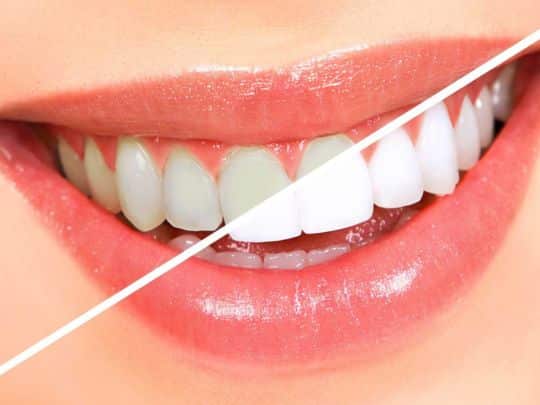
Do you find yourself hiding your smile because of yellow or stained teeth? You’re not alone. Tooth discoloration is a common dental issue that affects millions of people around the world. The good news is, there are several ways to whiten your teeth and achieve a brighter, more confident smile! In this blog post, we’ll discuss five effective procedures that can help you get rid of tooth stains and achieve sparkling white teeth. Whether it’s through at-home remedies or professional treatments, we’ve got you covered! So let’s dive in and discover how to get the radiant smile you deserve.
What Is Causing Tooth Discoloration?
Tooth discoloration can be caused by a variety of factors. One of the leading causes is consuming food and drinks with dark pigments, such as coffee, tea, red wine, and cola. These substances contain chromogens that stick to tooth enamel and cause staining over time.
Another factor that contributes to tooth discoloration is smoking or using tobacco products. Nicotine and tar found in cigarettes can turn teeth yellow or brown after prolonged use.
Poor oral hygiene habits can also lead to tooth discoloration. If you don’t brush your teeth regularly or floss daily, plaque buildup will accumulate on your teeth’s surface. This tartar accumulation not only leads to dental decay but also stains your teeth due to the bacteria’s action.
Certain medications like antibiotics (tetracycline), antipsychotics (chlorpromazine), antihistamines (diphenhydramine) are known for causing tooth stains when taken during childhood developmental years.
Aging itself causes natural wear-and-tear on our teeth structure which makes them look duller or discolored over time irrespective of good oral care practices unless some form of treatment is used which reverses this process.
Understanding these underlying factors behind tooth discoloration helps us choose the best approach for whitening our smile!
How Do Tooth Whiteners Work?
Tooth whiteners work by using different active ingredients that penetrate the enamel and dentin layers of your teeth to break up the stains. Most tooth whiteners contain either hydrogen peroxide or carbamide peroxide as their active ingredient. These chemicals work to remove surface stains caused by food, beverages, and tobacco.
The hydrogen peroxide and carbamide peroxide in tooth whiteners break down into oxygen molecules that enter through the pores in your enamel and react with the discolored molecules inside your teeth. This chemical reaction breaks apart these discolored molecules, resulting in a brighter smile.
Some tooth whitening products also include additional ingredients such as desensitizers, which help reduce sensitivity during treatment. Others contain special enzymes that target specific types of stain-causing substances like coffee or red wine.
It’s important to note that not all tooth discoloration can be treated with tooth whiteners. For example, discoloration caused by trauma or certain medications may require alternative treatments such as veneers or crowns.
Tooth whiteners work by using various chemicals to remove surface stains from teeth for a brighter smile. However, it’s essential to talk to your dentist before starting any at-home whitening regimens or trying over-the-counter products to ensure safe and effective results.
The Different Types Of Tooth Whiteners
There are several types of tooth whiteners available in the market today, each with its own unique features and benefits. Here are some of the most popular types:
- Whitening Toothpaste – This type of toothpaste contains mild abrasives that help remove surface stains on your teeth. However, it may take a while to see results as it only works on the outer layer of teeth.
- Over-the-Counter (OTC) Whitening Strips – These strips have a thin layer of bleaching gel applied onto them, which you place over your teeth for about 30 minutes a day for two weeks or until desired result is achieved.
- In-Office Teeth Whitening – This is performed by dental professionals and uses stronger bleaching agents compared to OTC products resulting in faster and more visible results.
- Custom-Fitted Trays – Similar to OTC whitening strips but with custom-fitted trays designed by dentists for even better results; however, they can be costly compared to other options.
- Natural Remedies – There are also natural remedies such as baking soda mixed with water or coconut oil pulling that claim to whiten teeth naturally without using any chemicals but their effectiveness varies from person-to-person.
It’s important to consult your dentist first before trying any type of tooth whitener as some may cause sensitivity or damage if not used properly or if there are underlying dental issues present.
The Best Time To Use Tooth Whiteners
The timing of when to use tooth whiteners is essential for achieving optimal results. The best time to use these products depends on the type of whitener and your personal schedule.
For at-home whitening kits, it’s recommended to apply them before bed. This allows the product to work overnight without interference from eating or drinking. Plus, you won’t have to worry about any potential sensitivity during the day since you’ll be sleeping.
If you’re using in-office treatments, it’s best to do so during a time where you can avoid consuming dark-colored foods and drinks immediately after treatment. These items can stain freshly whitened teeth and reduce the effectiveness of the treatment.
It’s important to note that using tooth whiteners too frequently can lead to enamel damage and increased sensitivity. Therefore, spacing out treatments over several months is recommended for long-term oral health.
Ultimately, finding a time that works for your schedule while also allowing ample time for product efficacy is key in achieving a brighter smile with tooth whiteners.
How To Store And Use Tooth Whiteners?
Storing and using tooth whiteners correctly is crucial if you want to achieve the best results. The first thing you need to do before using any whitening product is to carefully read through the instructions.
When it comes to storing your tooth whitener, make sure that it’s kept in a cool, dry place away from direct sunlight. Exposure to heat can affect its potency, while exposure to light can cause discoloration.
Before applying any teeth whitening products, ensure that your teeth are clean and free of any debris or plaque. Brushing and flossing beforehand will give you better results.
If you’re using a gel or tray-based whitener, be sure not to overfill the trays as this may lead to gum irritation. It’s also important not to swallow any of the product since some whiteners contain peroxide which could harm your stomach lining.
Remember that patience is key when it comes to tooth whitening – don’t expect immediate results after just one use! Consistency with usage and following proper storage guidelines will help ensure success in achieving a brighter smile.
The Bottom Line
Teeth whitening is a popular cosmetic procedure that can greatly improve the appearance of your smile. There are various procedures available to whiten your teeth, from at-home remedies to professional treatments offered by dental professionals.
It’s important to understand the cause of tooth discoloration and how different types of tooth whiteners work before choosing a method that will best suit your needs. Always follow the instructions on any product you use and remember not to overdo it as excessive use may lead to damage or sensitivity.
With proper care and maintenance, you too can achieve a brighter, healthier smile!