
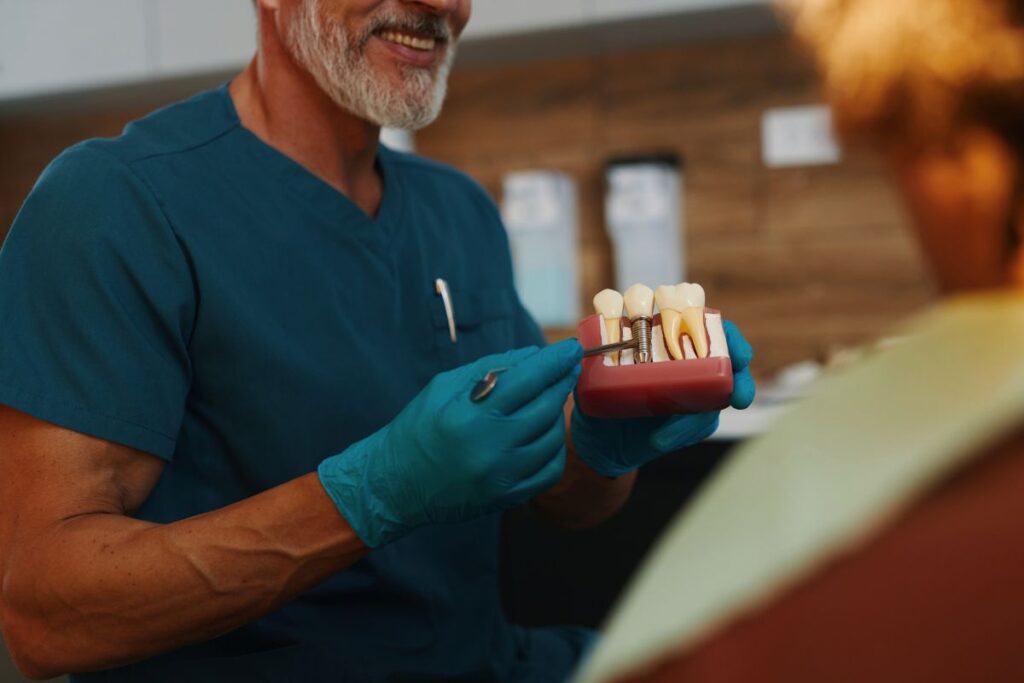
Dental implants are a treatment option for replacing missing teeth. They use an implant placed in the jawbone to support a replacement tooth, bridge, or other restoration. For people living with diabetes, dental implants may still be an option, but treatment planning requires careful consideration of blood glucose management, gum health, healing, and overall medical history.
If you are researching dental implants in Frisco, TX, understanding how diabetes may influence treatment can help you prepare for an informed discussion with your dental provider. Heritage Family Dentistry offers dental care in Frisco, where patients can explore restorative options based on their individual needs.
What Are Dental Implants?
A dental implant is a small post, often made of titanium, that is placed in the jawbone to support a dental restoration. Over time, the implant can integrate with the surrounding bone through a process called osseointegration.
Dental implants may be used to replace a single missing tooth, support a bridge, or retain certain types of dentures. Suitability depends on factors such as bone volume, gum health, medical history, and the condition of the remaining teeth.
How Can Diabetes Affect Dental Implant Treatment?
Diabetes can affect the body’s ability to respond to infection and heal after surgery, particularly when blood glucose levels are not well controlled. These factors may influence the healing process following implant placement.
However, a diabetes diagnosis does not automatically mean a person cannot receive dental implants. Many patients with diabetes may be candidates when their condition is appropriately managed and their oral health supports treatment.
A dental professional will need to evaluate your individual circumstances before determining whether implants are suitable.
1. Blood Glucose Management Matters
Managing blood glucose is an important part of preparing for dental implant treatment. Persistently elevated blood glucose can affect healing and may increase the risk of infection and other complications.
Before treatment, discuss your diabetes management with your healthcare provider and dental team. They may consider your recent medical history, current medications, and available information about your glucose control when planning care.
Do not change diabetes medication or your usual management plan on your own. Any adjustments should be made with guidance from the clinician responsible for your diabetes care.
2. Gum Health Should Be Evaluated
People with diabetes can have a greater risk of gum disease, especially when blood glucose is not well controlled. Gum inflammation and periodontal disease can affect the tissues supporting natural teeth and may complicate dental implant care.
Before implant placement, a dentist may assess the gums, check for signs of infection, and recommend treatment for active periodontal problems.
Maintaining healthy gums remains important after implant placement because the tissues surrounding an implant can also become inflamed. Regular professional monitoring helps identify potential issues.
3. Healing May Require Careful Monitoring
Dental implant placement involves a healing period during which the implant integrates with the jawbone. Diabetes can influence this process, and the effect varies from one person to another.
Your dental team can explain the expected stages of treatment and determine an appropriate follow-up schedule. Healing time may depend on your medical status, the condition of the bone, the number of implants, and whether additional procedures are required.
It is important to attend follow-up visits and report unusual pain, swelling, bleeding, or other changes.
4. Bone Health and Treatment Planning Matter
Adequate bone support is an important consideration when planning dental implants. A dentist will evaluate the area where the missing tooth needs to be replaced and determine whether the available bone can support an implant.
Depending on the clinical situation, additional imaging may be needed to assess the jawbone and nearby structures. Some patients may require preparatory procedures before implant placement can be considered.
Diabetes is one factor in the overall assessment, but it is not the only factor. Your dental provider should consider your complete oral health and medical history.
5. Daily Oral Hygiene Helps Protect Implants
Good oral hygiene is essential for protecting dental implants and the surrounding tissues. Brush twice daily, clean between your teeth and around your implant restoration, and follow any specific instructions from your dental team.
Your dentist or hygienist can recommend suitable cleaning tools based on the type of restoration you receive. Some patients benefit from interdental brushes or other devices designed to clean around implant-supported teeth.
Avoid skipping professional maintenance visits, even if the implant feels comfortable and looks normal.
6. Regular Dental Visits Support Long-Term Care
Dental implants need ongoing care after the restoration is completed. During maintenance visits, your dental team may evaluate the implant, check the surrounding tissues, assess the restoration, and discuss your home-care routine.
For patients with diabetes, consistent dental care is particularly valuable because changes in gum health or healing may require attention.
If you notice persistent bleeding around an implant, swelling, discomfort, or a change in how the restoration feels, contact your dental provider for an assessment.
Questions to Ask Before Getting Dental Implants
If you have diabetes and are considering dental implants in Frisco, prepare for your consultation by asking questions such as:
- Is my current oral health suitable for implant treatment?
- Do my blood glucose levels or medical history affect the treatment plan?
- Do I need gum treatment before implant placement?
- What follow-up visits and home-care steps will be necessary?
- Should my dentist coordinate with my diabetes care provider?
These questions can help you understand the treatment process and the steps involved in protecting your oral health.
Explore Dental Implant Treatment in Frisco, TX
Dental implants may be a suitable option for some patients with diabetes, but candidacy should be determined through an individualized dental and medical assessment. Blood glucose management, gum health, bone support, and consistent maintenance all contribute to treatment planning.
If you are considering tooth replacement, learn more about dental implant treatment at Heritage Family Dentistry in Frisco, TX.
You can also find Heritage Family Dentistry in Frisco on Google Maps to locate the practice and view available business information.
If you are ready to discuss your tooth replacement options, schedule a dental appointment at Heritage Family Dentistry in Frisco, TX to connect with the dental team and discuss your individual needs.
Frequently Asked Questions
Can people with diabetes get dental implants?
Yes, some people with diabetes can receive dental implants. Candidacy depends on factors including blood glucose management, gum health, bone support, and overall medical history.
Does diabetes affect dental implant healing?
It can. Poorly controlled blood glucose may interfere with healing and increase the risk of infection. Your dental team will consider your individual health status when planning treatment.
Should I tell my dentist about my diabetes medication?
Yes. Share your medical history and current medications with your dentist before treatment. Do not change your medication plan without guidance from your healthcare provider.
How do I care for dental implants if I have diabetes?
Brush twice daily, clean around the implant restoration, follow your dental team’s instructions, and attend regular maintenance visits. Good blood glucose management is also important for overall oral health.
Where can I learn about dental implants in Frisco, TX?
Visit the dental implants page at Heritage Family Dentistry in Frisco, TX to learn more about tooth replacement options and discuss your individual needs with a dental professional.