
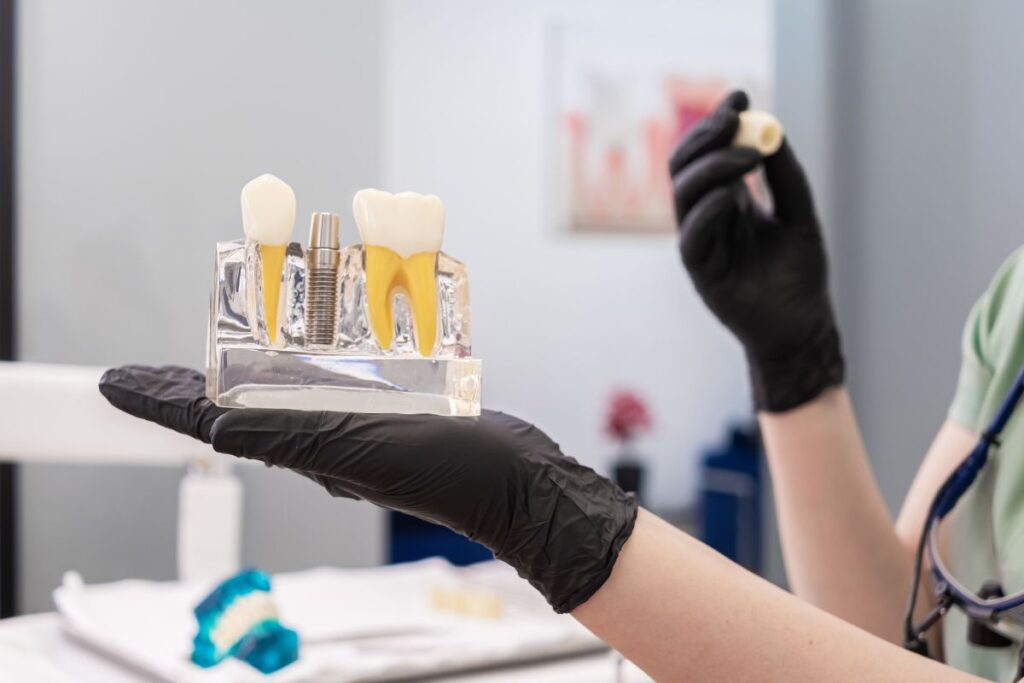
If you smoke and have lost a tooth, you may wonder whether dental implants are still an option.
Smoking does not automatically mean that implant treatment is impossible. However, tobacco use can create additional concerns for oral health and healing, so your dentist needs to consider your individual circumstances before recommending treatment.
For patients considering Dental Implants in Frisco, an honest conversation about smoking habits is an important part of treatment planning.
Why Does Smoking Matter for Dental Implants?
Dental implant treatment depends on the body’s ability to heal around the implant and maintain healthy tissues.
Smoking can affect oral tissues and healing, which is why dentists take tobacco use seriously when evaluating a patient for implant treatment.
The important point is that implant candidacy is not determined by smoking status alone.
Your dentist also considers factors such as your oral health, bone support, gum condition, overall health, number of missing teeth, and the type of restoration being planned.
Does Smoking Mean You Cannot Get an Implant?
Not necessarily.
A patient who smokes may still be considered for dental implant treatment, but the dentist may recommend changes before or during treatment to improve the conditions for healing.
The appropriate recommendation depends on the individual patient.
Rather than assuming that you are either automatically eligible or automatically ineligible, schedule an examination and discuss your smoking history openly.
How Smoking Can Affect the Implant Process
Healing After Implant Placement
Implant treatment involves a healing period after the implant is placed.
Healthy healing is important because the implant needs to integrate with the surrounding bone. Anything that negatively affects healing can potentially complicate the process.
Smoking is therefore an important consideration during treatment planning.
Gum Health
Healthy gums are important for maintaining teeth and dental implants.
Smoking can affect the appearance and health of gum tissues and may make it more difficult to recognize certain signs of gum problems.
Your dentist will evaluate the tissues around the implant area before recommending treatment.
Long-Term Implant Maintenance
Receiving an implant is not the end of dental care.
Implants require regular professional monitoring and daily home care. Patients need to keep the implant area clean and maintain the health of the surrounding gums and supporting structures.
Heritage Family Dentistry’s Frisco dental services include dental implants along with routine dental care and gum disease treatment.
What Should You Tell Your Dentist?
Be straightforward.
Tell your dentist:
- Whether you currently smoke
- How frequently you smoke
- How long you have smoked
- Whether you use other tobacco products
- Whether you are planning to reduce or quit
- Whether you have previously had implant treatment
This information is not about judgment. It helps your dentist assess your situation and provide appropriate recommendations.
Should You Stop Smoking Before Dental Implant Treatment?
Your dentist may recommend reducing or stopping tobacco use before treatment.
The specific recommendation should come from your dental professional because it depends on your overall health, planned procedure, and individual circumstances.
If quitting completely is difficult, do not avoid the dental consultation. Tell your dentist honestly about your tobacco use so your treatment plan can account for it.
The consultation can also be a useful opportunity to discuss available support for reducing tobacco use.
What Happens During a Dental Implant Consultation?
Your dentist first needs to determine whether an implant is appropriate for your missing tooth or teeth.
The evaluation may include:
- Reviewing your dental and medical history
- Examining your teeth and gums
- Evaluating the area where the tooth is missing
- Reviewing appropriate dental imaging
- Discussing your treatment goals
- Identifying factors that could affect treatment
- Explaining potential treatment options
Heritage Family Dentistry describes dental implants as a treatment option for replacing missing, broken, or discolored teeth and lists implants among the services available at its Frisco location.
The final recommendation should be based on your examination rather than an online checklist.
What If You Have Already Lost Bone?
Bone health is another important consideration when planning dental implants.
Your implant dentist evaluates the available bone and surrounding structures before deciding whether implant placement is appropriate.
Heritage Family Dentistry’s blog already discusses bone density and bone loss in relation to implant treatment, so those subjects are intentionally not the focus of this article.
Instead, the focus here is how tobacco use can be incorporated into the broader implant evaluation.
How Can You Protect Your Investment?
If you receive dental implants, daily maintenance becomes especially important.
Follow the cleaning instructions provided by your dental team and keep your recommended follow-up appointments.
You should also contact your dentist if you notice:
- Persistent swelling
- Bleeding around the implant
- Increasing discomfort
- Changes in the way the implant restoration feels
- Difficulty chewing
- A loose restoration
Do not wait for a small concern to become severe before asking for help.
Why Choose a Frisco Dental Office for Implant Planning?
Implant treatment involves more than replacing a visible tooth.
The dentist needs to consider the missing tooth, surrounding teeth, gums, bone, bite, restoration, and factors that could influence healing.
Heritage Family Dentistry’s Frisco office is located at 4685 Eldorado Pkwy #200, Frisco, TX 75033, and provides dental implants along with crowns, bridges, root canals, extractions, and other dental services.
That comprehensive approach can make it easier to evaluate your oral health before developing an implant treatment plan.
Take the First Step With an Implant Consultation
If you smoke and are missing a tooth, do not assume that dental implants are off the table.
Smoking is one factor your dentist considers alongside your oral health, bone support, gum condition, treatment needs, and overall circumstances.
If you are searching for Dental Implants in Frisco, Heritage Family Dentistry can evaluate your situation and discuss whether implant treatment is appropriate for you.
Contact Heritage Family Dentistry on Eldorado Parkway to schedule a dental implant consultation and discuss your options with a dental professional.
FAQs
Can smokers get dental implants?
Smoking does not automatically rule out dental implants. However, tobacco use can affect oral health and healing, so your dentist will consider it when evaluating your candidacy.
Should I quit smoking before getting dental implants?
Your dentist may recommend reducing or stopping smoking before implant treatment. The appropriate recommendation depends on your individual health and treatment plan.
Should I tell my dentist that I smoke?
Yes. Accurate information about tobacco use helps your dentist evaluate potential treatment considerations and provide appropriate guidance.
Can smoking affect dental implant healing?
Smoking can affect oral tissues and the body’s healing process, which is why tobacco use is an important consideration during implant treatment planning.
What happens if I smoke after receiving a dental implant?
Follow your dentist’s specific instructions. Smoking can create concerns for oral health and implant maintenance, so discuss tobacco use with your dental team before and after treatment.