
Losing a tooth can affect more than your smile. It can change the way you eat, speak, and even how confident you feel in social situations. Dental implants are one of the most reliable long-term solutions for replacing missing teeth, but achieving great results depends on choosing the right provider.
If you’re searching for an implant dentist in Frisco, asking the right questions during your consultation can help you understand your options, avoid surprises, and feel confident about your treatment plan.
Here are seven important questions every patient should ask before moving forward with dental implant treatment.
Losing a tooth can affect more than your smile. It can change the way you eat, speak, and even how confident you feel in social situations. Dental implants are one of the most reliable long-term solutions for replacing missing teeth, but achieving great results depends on choosing the right provider.
If you’re searching for an implant dentist in Frisco, asking the right questions during your consultation can help you understand your options, avoid surprises, and feel confident about your treatment plan.
Here are seven important questions every patient should ask before moving forward with dental implant treatment.
Why Does Choosing the Right Implant Dentist Matter?
Dental implants are more than cosmetic restorations. They replace the entire tooth structure, including the root, making precision and planning essential for long-term success.
An experienced implant dentist evaluates your oral health, bone quality, bite alignment, and medical history before recommending treatment. Every smile is unique, and your care should reflect that.
Choosing a provider who prioritizes personalized treatment planning can improve both the function and appearance of your new smile.
1. Am I a Good Candidate for Dental Implants?
Not everyone has the same oral health needs. During your consultation, your dentist should perform a comprehensive examination before recommending implants.
Several factors influence candidacy, including:
- Overall oral health
- Gum health
- Jawbone density
- Existing medical conditions
- Smoking habits
- Number and location of missing teeth
Even if you’ve been told you have bone loss, you may still qualify for treatment after additional procedures such as bone grafting.
A thorough evaluation helps ensure the best possible outcome.
2. What Technology Do You Use for Implant Planning?
Modern implant dentistry relies on advanced diagnostic technology that allows for precise treatment planning.
Ask whether the office uses:
- Digital X-rays
- 3D CBCT imaging
- Digital treatment planning software
- Intraoral scanners
These technologies help your implant dentist visualize your jawbone, nerves, and surrounding structures before surgery. Better planning often leads to more accurate implant placement, improved comfort, and predictable healing.
Patients in Frisco benefit from practices that invest in modern technology to enhance safety and treatment accuracy.
3. What Treatment Options Are Available for My Situation?
Dental implants are not one-size-fits-all.
Depending on your needs, your dentist may recommend:
- Single tooth implants
- Implant-supported bridges
- Multiple dental implants
- Full-arch implant restorations
- Implant-retained dentures
Your dentist should explain why a specific treatment option fits your oral health, lifestyle, and long-term goals.
A personalized recommendation is usually a sign that your provider is focused on achieving the best outcome rather than offering the same solution to every patient.
4. What Does the Entire Treatment Timeline Look Like?
Understanding the process helps reduce anxiety and allows you to plan accordingly.
Your implant dentist should explain each stage, including:
Initial Consultation
Your oral health is evaluated, digital images are taken, and a customized treatment plan is created.
Implant Placement
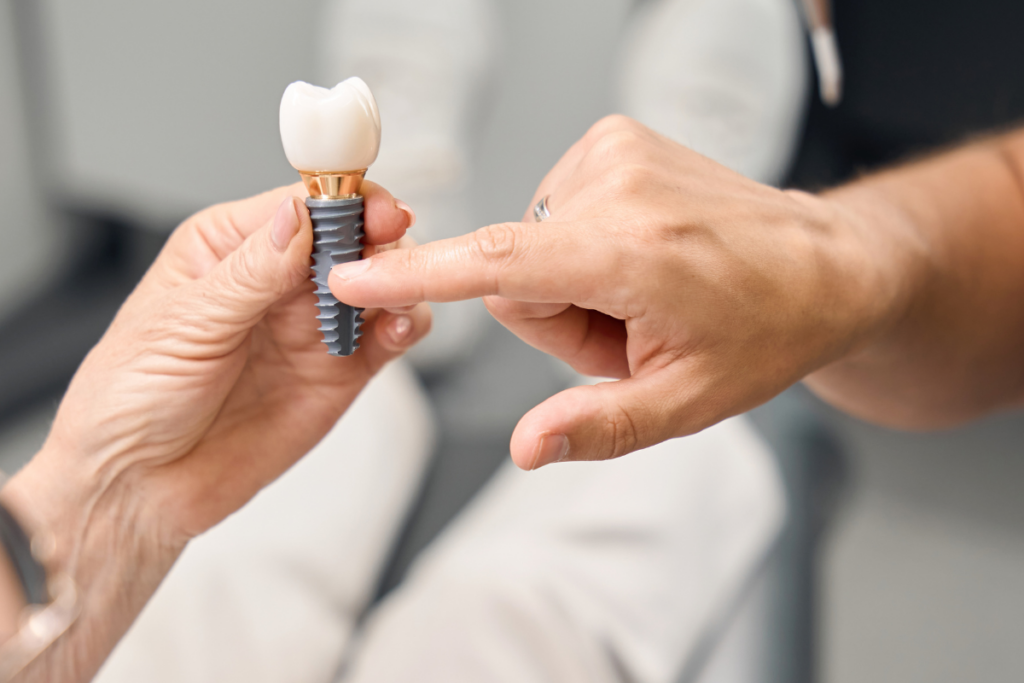
The titanium implant is carefully positioned into the jawbone.
Healing Period
Over the next several months, the implant naturally fuses with the surrounding bone through a process called osseointegration.
Final Restoration
Once healing is complete, the custom dental crown, bridge, or denture is securely attached.
Knowing what to expect at every step makes the journey much less stressful.
5. What Can I Expect During Recovery?
Every patient heals differently, but your dentist should explain the normal recovery process before treatment begins.
Most patients experience:
- Mild swelling
- Minor soreness
- Temporary tenderness
- Small dietary adjustments during healing
Your dentist should also provide detailed aftercare instructions, including recommendations for oral hygiene, medications, and follow-up appointments.
Following these instructions carefully plays an important role in the long-term success of your dental implant.
6. How Long Should Dental Implants Last?
One of the biggest advantages of dental implants is their longevity.
With proper care, implants can last for decades.
To maximize their lifespan:
- Brush twice daily
- Floss around implants every day
- Schedule routine dental cleanings
- Avoid smoking
- Wear a nightguard if you grind your teeth
Your dentist should also discuss the importance of regular maintenance visits to monitor the health of both the implant and surrounding tissues.
Good home care combined with professional maintenance helps protect your investment.
7. What Are the Total Costs and Financing Options?
Dental implant treatment is highly personalized, so costs vary depending on several factors, including:
- Number of implants needed
- Bone grafting requirements
- Type of restoration
- Overall treatment complexity
Rather than focusing only on the initial price, ask for a complete treatment estimate that outlines every phase of care.
Many dental practices also offer flexible financing options to help make treatment more manageable.
Having a clear understanding of costs upfront helps you plan confidently without unexpected surprises.
Why Patients in Frisco Choose Dental Implants
Dental implants offer benefits that go beyond replacing missing teeth.
Many patients appreciate that implants can:
- Restore natural chewing ability
- Help preserve jawbone health
- Prevent neighboring teeth from shifting
- Improve speech clarity
- Provide excellent long-term stability
- Enhance confidence with a natural-looking smile
Unlike removable options, implants become a stable part of your smile, allowing many patients to enjoy everyday activities without worrying about slipping or discomfort.
Why Personalized Care Makes a Difference
Successful implant treatment isn’t just about placing an implant. It’s about understanding each patient’s health, goals, and lifestyle.
At Heritage Family Dentistry, every treatment plan begins with a comprehensive evaluation and patient-centered discussion. The goal is to provide solutions that fit your needs while helping you feel informed and comfortable throughout every stage of care.
Whether you’re replacing one missing tooth or exploring full-mouth restoration options, personalized planning is key to achieving a healthy, lasting smile.
Conclusion
Choosing an implant dentist in Frisco is an important decision that deserves careful consideration. Asking thoughtful questions during your consultation helps you better understand your treatment options, expected outcomes, and long-term care.
Dental implants are designed to restore both function and confidence, but lasting success begins with an experienced dental team that prioritizes personalized treatment planning and patient education.
If you’re considering dental implants, schedule a consultation with Heritage Family Dentistry to discuss your smile goals and learn which treatment option is right for you.
FAQs
How do I know if I’m a candidate for dental implants?
Most healthy adults with sufficient jawbone and healthy gums are candidates. A comprehensive evaluation and digital imaging help determine the best treatment approach.
How long does the dental implant process take?
Treatment timelines vary depending on individual needs, but most implant cases take several months from consultation to final restoration due to the healing period after implant placement.
Are dental implants painful?
Most patients report minimal discomfort during the procedure thanks to local anesthesia. Mild soreness afterward is typically manageable with recommended medications and aftercare.
Can dental implants replace multiple missing teeth?
Yes. Dental implants can support single crowns, bridges, implant-supported dentures, or full-arch restorations depending on your individual needs.
How should I care for my dental implants?
Brush and floss daily, attend regular dental checkups, and follow your dentist’s maintenance recommendations. Proper care helps implants remain healthy and functional for many years.