
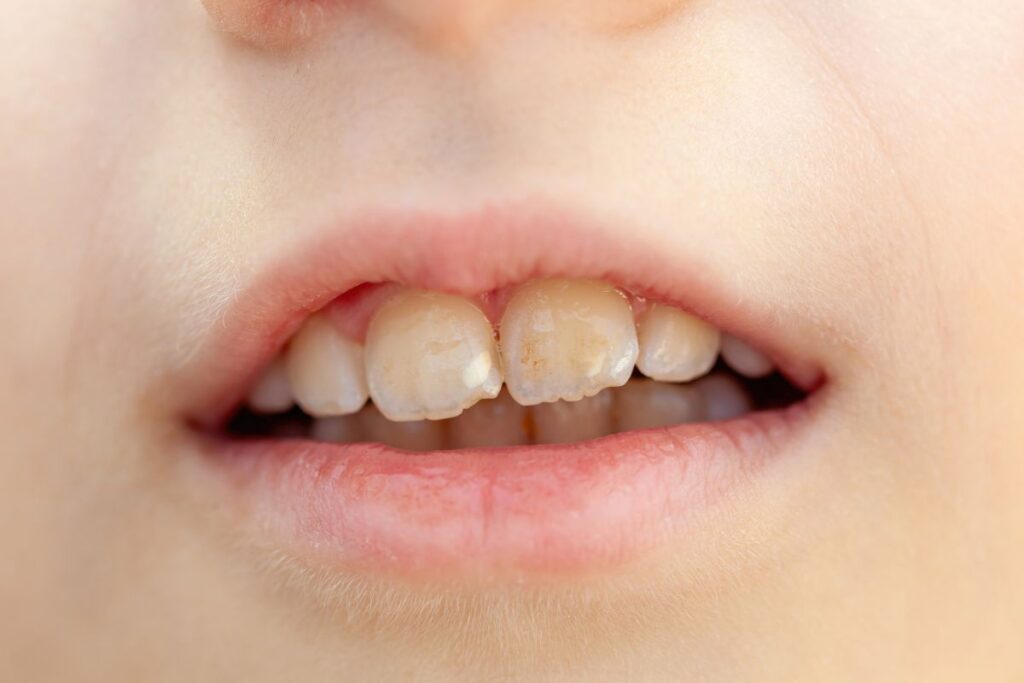
You notice a faint white patch on your tooth when you smile in the mirror and wonder where it came from. You’re not alone. White spots on teeth are fairly common and can show up at any age.
They can show up after orthodontic treatment, during periods of dry mouth, or even as a result of daily habits. While they often seem harmless at first glance, they can sometimes signal early enamel changes that should not be ignored.
Let’s take a closer look at what these spots really mean and when it is time to take action.
What Causes White Spots on Teeth?
White spots form when minerals are lost from the surface of your enamel. This process is called demineralization. It can happen gradually and often goes unnoticed until visible changes appear.
Some of the most common causes include:
- Poor oral hygiene, especially around brackets or crowded teeth
- Frequent consumption of sugary or acidic foods and drinks
- Dry mouth, which reduces natural saliva protection
- Early stages of tooth decay
- Excess fluoride exposure during tooth development
In some cases, patients consider cosmetic dental treatment to improve the appearance of these spots, especially if they are noticeable when smiling. However, understanding the cause always comes first before choosing the right solution.
Do White Spots Always Mean Enamel Loss?
Not always, but they can be an early clue. White spots often indicate that minerals have been lost from the enamel in that specific area. This process is called demineralization. While it doesn’t always mean permanent damage, it does signal that the enamel is weaker than it should be.
Think of white spots as a warning sign rather than a final diagnosis.
If you’re unsure what’s causing the white spots on your teeth, consult with a trusted dentist to get clarity and understand whether your enamel needs attention.
How Can You Tell If It Is Serious?
Not every white spot requires immediate treatment, but certain signs suggest it is time to see a dentist.
Watch for the following:
- Spots that become more noticeable over time
- Rough or chalky texture on the tooth surface
- Sensitivity to hot, cold, or sweet foods
- Spots that appear near the gumline
A professional exam can determine whether the enamel is simply dehydrated or if deeper demineralization is occurring.
Treatment Options for White Spots
Treatment depends on the cause and severity of the spots. The goal is to restore the tooth’s natural appearance while protecting the enamel.
Common options include:
Remineralization therapies
These involve fluoride treatments or specialized products that help restore lost minerals.
Professional whitening
In some cases, whitening can help blend the color difference between the spots and the rest of the tooth.
Resin infiltration
A minimally invasive approach that fills porous enamel and improves appearance.
Cosmetic bonding or veneers
For more noticeable or stubborn spots, these options can create a smooth, even look.
The right treatment depends on your individual case, which is why a personalized approach always works best.
Everyday Tips to Protect Your Enamel
Prevention is often simpler than treatment. A few consistent habits can go a long way in protecting your enamel.
Here are some practical steps:
- Brush twice daily with a fluoride toothpaste
- Floss regularly to remove plaque between teeth
- Limit sugary snacks and acidic beverages
- Drink plenty of water throughout the day
- Keep up with regular dental checkups and cleanings
If you wear braces or aligners, paying extra attention to cleaning around your teeth is especially important.
Brighten Your Confidence with Expert Dental Care in North Dallas
Noticing white spots can be frustrating, but it is also an opportunity to protect your smile before more serious issues develop. At Heritage Family Dentistry, the focus is on understanding what your teeth need today while helping you avoid problems tomorrow.
If you are unsure about changes in your enamel or want to explore treatment options, we are here to help. Visit our dental office in North Dallas and let our team guide you toward a healthier, more confident smile.
FAQs About Treating White Marks on Teeth
1. What causes white marks on teeth?
White marks often form due to enamel changes from poor oral hygiene, excess fluoride, or early tooth decay. They can also appear after braces are removed.
2. Are white spots on teeth permanent?
Not always. Some white spots can fade with proper care, while others may need professional treatment to improve their appearance.
3. Can poor brushing habits cause white marks?
Yes, inconsistent brushing can lead to plaque buildup, which may weaken enamel and cause white spots to develop over time.
4. How can dentists treat white spots on teeth?
Dentists may use treatments like fluoride therapy, microabrasion, bonding, or whitening to reduce or remove white marks.
5. Are white marks a sign of cavities?
They can be an early sign of tooth decay, especially if the enamel has started to weaken but has not yet formed a cavity.
6. Can teeth whitening remove white spots?
Whitening may help blend the color, but it does not always remove the spots completely. A dentist can suggest the best option.
7. How can I prevent white marks on my teeth?
Maintain good oral hygiene, limit sugary foods, use fluoride properly, and visit your dentist regularly for cleanings and checkups.