
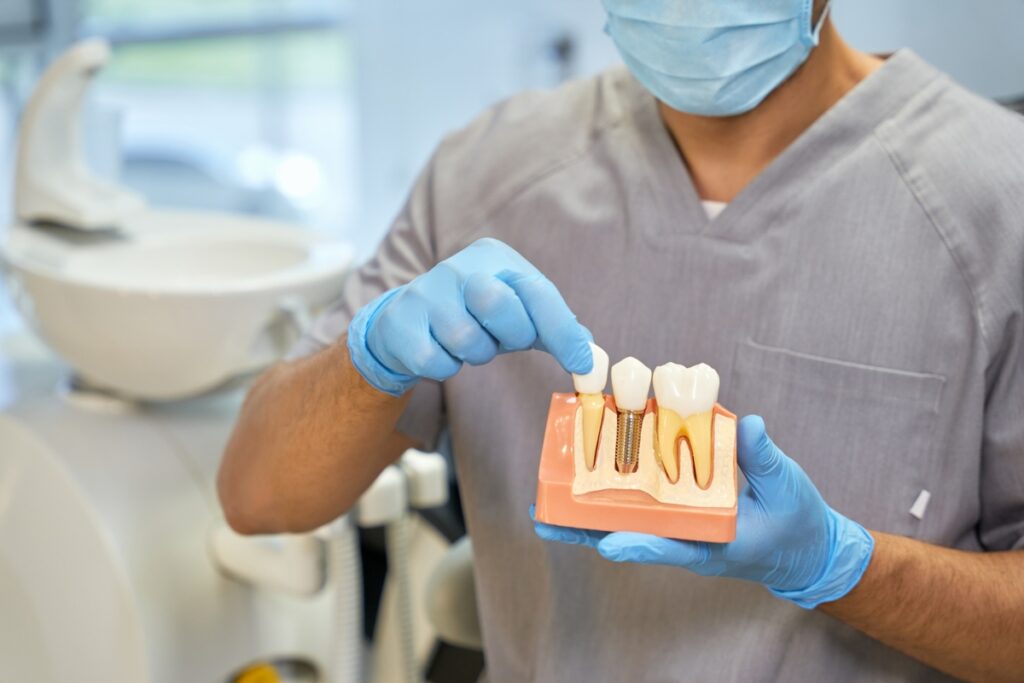
Receiving dental implants is a significant step toward restoring your smile, confidence, and oral function. After the procedure, proper care is essential for the healing process and the long-term success of your implants. Understanding what to expect and how to care for your implants ensures you protect your investment and maintain excellent oral health.
Understanding the Importance of Dental Implant Aftercare
Proper aftercare is crucial because it allows your implants to integrate with the jawbone, ensuring a stable, long-lasting foundation. It also prevents complications and supports faster, more comfortable healing. In the early stages of your recovery, following your dentist’s guidance is key to successful outcomes.
How Aftercare Supports Successful Healing
Aftercare helps protect the surgical site from infection, reduces inflammation, and promotes proper bone integration around the implant. Following your dentist’s instructions—such as using prescribed mouth rinses, avoiding vigorous brushing near the surgical site, and sticking to soft foods initially—helps prevent irritation and complications. Managing swelling with cold compresses, taking medications as prescribed, and avoiding smoking also play a significant role in how quickly and effectively your implant heals. Proper aftercare ensures the implant post has the best chance to fuse securely with the jawbone, setting the foundation for long-term success.
The Role of Proper Maintenance in Implant Longevity
Good hygiene and consistent care help implants remain strong and functional for many years. Daily brushing and flossing prevent plaque buildup around the implant, reducing the risk of gum disease that could compromise stability. Regular dental checkups and professional cleanings allow your dentist to monitor bone levels, gum health, and the condition of the implant components. Using non-abrasive toothpaste, avoiding biting complex objects, and wearing a nightguard (if you grind your teeth) also contribute to long-term durability.
What Happens If Aftercare Is Ignored
Poor aftercare can lead to gum inflammation, implant failure, or discomfort, delaying healing and complicating treatment. In severe cases, this can result in implant loosening or complete implant failure. This is why dental implant aftercare and maintenance are essential during the recovery phase.
Immediate Post-Procedure Care for Dental Implants
The first 24–48 hours are the most important for protecting the implant site and supporting healthy recovery. Following clear instructions from an experienced dentist helps minimize discomfort and avoid complications.
Managing Discomfort and Swelling
Use ice packs and over-the-counter pain medication as recommended to minimize swelling and soreness after your dental implant procedure. Applying ice for 15–20 minutes at a time during the first 24 hours can significantly reduce inflammation. Mild discomfort is normal, but it should gradually improve over the next few days.
Initial Eating and Drinking Guidelines
Stick to soft foods such as yogurt, mashed potatoes, smoothies, and scrambled eggs during the first day to protect the implant site. Avoid hot beverages and foods, as heat can increase bleeding and irritation around the surgical area. Drinking through a straw should also be avoided, since the suction can dislodge the blood clot and delay healing. As your comfort improves, you can slowly reintroduce more solid foods, but continue to avoid anything hard, sticky, or crunchy until your dentist gives you clearance.
Oral Hygiene Instructions for the First 24 Hours
Avoid brushing the surgical area for the first 24 hours, but continue to keep the rest of your mouth clean to prevent bacteria buildup. After the initial healing period, you can begin gently brushing around the implant site with a soft-bristle toothbrush. At the 24-hour mark, start rinsing your mouth with warm saltwater several times a day to soothe the tissue and reduce swelling. Avoid using commercial mouthwash unless your dentist recommends it, as some formulations can irritate the surgical area.
Regular professional cleanings and checkups will complement your home care routine, ensuring your implant remains healthy and properly integrated.
In the days following dental implant surgery, avoiding certain foods is essential to protect the surgical site and support proper healing. Hard or crunchy foods—such as nuts, chips, raw vegetables, and crusty bread—can put pressure on the implant area and risk dislodging the blood clot. Sticky or chewy items, such as caramel, gummies, and tough meats, can pull on the healing tissues, causing irritation or delaying recovery. Hot foods and beverages should also be avoided initially, as they can increase swelling and bleeding. Additionally, spicy, acidic, or overly sweet foods may irritate the gums and create a favorable environment for bacterial growth. Sticking to soft, mild foods for the first few days helps ensure a smoother, safer recovery.
When to Contact Your Dentist During Recovery
If you experience unusual pain, excessive bleeding, or signs of infection, contacting your dentist right away ensures the issue is addressed early. Staying aware of your symptoms helps promote a safer healing process.
Maintaining your implants starts with good habits, proper professional guidance, and timely follow-up visits. For personalized support and expert care in North Dallas, TX, Heritage Family Dentistry is here to help. Schedule an appointment today to keep your implants healthy and ensure lasting results.
FAQs on Dental Implant Aftercare and Maintenance
1. How long does it take for dental implants to heal?
Most implants heal within 3–6 months, depending on your oral health and treatment plan.
2. What foods should I avoid after my implant procedure?
Avoid hard, crunchy, sticky, and hot foods during the early healing phase.
3. When can I brush my teeth after implant surgery?
You can brush the non-surgical areas immediately, but avoid the implant site for the first 24 hours.
4. Is swelling normal after dental implant surgery?
Yes, mild swelling is normal and typically improves within a few days.
5. How often should I visit my dentist after receiving implants?
Follow-up visits are recommended within the first few weeks, then every 6 months thereafter.
6. What are the signs of implant complications?
Severe pain, fever, swelling that doesn’t improve, or pus around the implant.
7. Can dental implants last a lifetime?
With proper care and regular dental checkups, implants can last many decades or even a lifetime.