
If you’ve just had a root canal or your dentist recommended one, you’re probably wondering whether you’ll need a crown afterward. This question matters to anyone facing root canal treatment who wants to understand their options and make informed decisions about their dental care.
A root canal is a lifesaving procedure for your teeth, but the follow-up care can vary depending on your specific situation. While many people assume crowns are automatic after root canals, the truth is more nuanced.
We’ll explore when crowns are absolutely necessary after root canal treatment and when you might have other options. You’ll also learn about the key factors that help determine whether a crown is right for your tooth, so you can have a productive conversation with your dentist about the best path forward.
Understanding Root Canal Treatment and Its Purpose
What happens during a root canal procedure
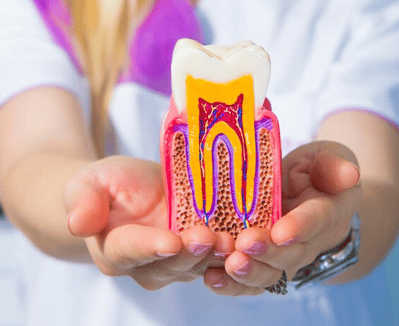
A root canal is a lifesaving procedure for your teeth that involves carefully removing infected or damaged tissue from inside your tooth. Your dentist creates a small access hole in the tooth’s crown, then uses specialized instruments to clean out the pulp chamber and root canals. The pulp contains nerves, blood vessels, and connective tissue that can become infected due to deep decay, cracks, or trauma.
During the procedure, your dentist shapes and disinfects the hollow spaces inside your tooth, removing all traces of bacteria and damaged tissue. After thorough cleaning, they fill the empty canals with a biocompatible material called gutta-percha and seal the access hole with a temporary filling. The entire process typically takes one to three appointments, depending on the complexity of your case.
Why root canals are necessary for tooth preservation
Root canal treatment becomes essential when the inner pulp of your tooth becomes infected, inflamed, or dies. Without intervention, the infection spreads to surrounding bone and tissue, potentially causing abscesses, severe pain, and tooth loss. This lifesaving procedure for your teeth allows you to keep your natural tooth rather than having it extracted.
The alternative to root canal therapy is usually tooth extraction followed by replacement with an implant, bridge, or partial denture. These replacement options are typically more expensive, time-consuming, and may require additional procedures. Root canals have a success rate of 85-97%, making them a reliable way to preserve your natural smile for decades.
How root canal treatment affects tooth structure
Root canal therapy removes the living tissue from inside your tooth, including the blood supply that previously nourished it from within. This process doesn’t immediately make the tooth brittle, but it does change its internal structure. The tooth loses its ability to sense temperature changes and pressure, which means you won’t feel pain if damage occurs later.
The procedure requires removing some healthy tooth structure to access the infected pulp. Your dentist must create an opening and may need to remove additional tooth material if decay is extensive. While modern techniques minimize this removal, some structural integrity is inevitably lost during treatment.
The weakened state of teeth after root canal therapy
After root canal treatment, your tooth enters a different phase of its existence. Without internal blood flow, the tooth becomes more prone to fracture over time, especially when subjected to heavy chewing forces. The dentin (the layer beneath your tooth’s enamel) may become more brittle as it ages without nourishment from the pulp.
Back teeth that receive root canals face particular challenges because they handle the majority of your chewing forces. These teeth are more likely to crack or break without proper protection. Front teeth typically fare better because they experience less pressure during normal function, though they still require careful monitoring and may benefit from protective measures depending on the amount of remaining tooth structure.
Ready to Smile? Call Today!

Thank you for taking the time to learn more about crown lengthening surgery and how it can enhance your smile! We hope this information has helped you feel more confident about the process. If you’re considering this procedure or have further questions, we’re here to assist you every step of the way.
At Heritage Family Dentistry in Frisco, TX, Dr. Nguyen and our dedicated team are committed to providing personalized care tailored to your unique needs. Whether you’re seeking functional improvements or aesthetic enhancements, we’re here to help you achieve your dental goals.
When Crowns Are Essential After Root Canal Treatment
Back teeth that endure heavy chewing forces
Your molars and premolars work like workhorses in your mouth, grinding and crushing food with tremendous force every single day. After a root canal procedure, these back teeth lose their nerve supply and blood circulation, making them more brittle and prone to fractures. The chewing forces they experience can reach up to 200 pounds per square inch during normal eating, and this pressure can easily crack an unprotected tooth.
Root canals remove the inner pulp tissue, leaving behind hollow tooth structure that’s significantly weaker than before treatment. Without a crown’s protective shell, these compromised back teeth often develop vertical fractures that can extend below the gum line, potentially requiring tooth extraction. A crown acts like a helmet, distributing chewing forces evenly across the tooth surface and preventing catastrophic breaks.
Teeth with extensive decay or large fillings
Teeth requiring root canal treatment typically have already suffered significant structural damage from decay or previous dental work. Large cavities eat away at healthy tooth structure, and multiple fillings can weaken the remaining walls of your tooth over time. When these compromised teeth undergo root canal therapy, there’s often minimal healthy tooth structure left to support normal function.
The combination of existing damage plus the access hole created during root canal treatment creates a perfect storm for tooth failure. Large fillings can’t bond effectively to the remaining tooth structure when there’s insufficient healthy enamel and dentin available. Dental crowns solve this problem by covering the entire visible portion of the tooth, providing structural integrity that fillings alone cannot offer.
Severely weakened tooth structure cases
Some teeth arrive at the endodontist’s office in terrible condition – cracked, broken, or worn down from years of grinding or trauma. These teeth have lost substantial amounts of their original structure, making them poor candidates for simple fillings after root canal treatment. The remaining tooth walls may be paper-thin or uneven, creating weak points that will inevitably fail under normal use.
Root canal treatment becomes a lifesaving procedure for your teeth in these severe cases, but the success depends heavily on proper restoration afterward. Crowns become absolutely essential because they can rebuild the tooth’s shape and strength, essentially giving you a new functional tooth built around the existing root structure.
Teeth visible when smiling or talking
Front teeth and prominent side teeth need special consideration after root canal treatment because they’re constantly on display. These teeth may not endure the same crushing forces as back teeth, but they face different challenges. Root canal treated teeth often darken over time as the remaining tooth structure changes color, creating an unsightly appearance that can affect your confidence.
Crowns on visible teeth serve both protective and cosmetic functions. They prevent the tooth from becoming discolored and can actually improve the appearance of your smile if the original tooth had imperfections. Modern porcelain crowns match your natural teeth so perfectly that nobody will know you’ve had dental work done.
Situations Where Crowns May Not Be Required
Front teeth with minimal structural damage
Front teeth present unique circumstances where crowns may not be necessary after root canal treatment. These incisors and canines typically handle much less chewing force compared to your back molars, which means the tooth structure doesn’t face the same mechanical stress. When a front tooth has only minor decay or damage and retains most of its original structure, a well-placed composite filling can often provide adequate protection.
The aesthetic considerations for front teeth also play a role in treatment decisions. Modern composite materials can match your natural tooth color perfectly, making them nearly invisible. If the tooth has sufficient healthy structure remaining, your dentist might recommend a large filling instead of a crown to preserve the natural appearance of your smile.
However, front teeth that have extensive damage, large existing fillings, or significant structural weakness will still benefit from crown placement to prevent fracture and ensure long-term success.
Teeth with sufficient remaining enamel
The amount of healthy tooth structure remaining after root canal treatment is perhaps the most critical factor in determining whether a crown is necessary. When a tooth retains substantial enamel and dentin walls, particularly if they’re at least 2-3 millimeters thick, the tooth may have enough strength to function normally with just a filling.
Teeth that required root canal treatment due to deep cavities or trauma often lose significant structure during the cleaning and shaping process. But some teeth need endodontic treatment due to nerve inflammation from minor cracks or repeated dental procedures, leaving most of the tooth intact.
Your endodontist will carefully evaluate the remaining tooth structure using both clinical examination and X-rays. They’ll assess:
- Wall thickness of the remaining tooth structure
- Height of the remaining crown portion
- Presence of cracks or fracture lines
- Overall structural integrity
When adequate healthy tooth structure remains, conservative restoration with high-quality bonding materials can provide years of reliable service while preserving more of your natural tooth.
My wife and I recently moved to Dallas and needed to connect with a new dentist. We found Preston One Dental and made our initial appointment. During the thorough exam they found that a molar extraction I had done by an oral surgeon in another state had not removed all of the root. They also found hairline cracks on two teeth by taking pictures of all the teeth as well as x-rays. When I went back to do the crowns Dr. Jennings did both crowns and a filling in one appointment since they were on the same side of my mouth which was very convenient for me.
The Dr. Jennings is very skilled and caring and all of staff is very friendly and make you feel at ease. I highly recommend them. – Gene Wheatley
Don’t just take our word for it — explore genuine patient reviews on Google and see why you can trust us.
Cases where conservative fillings provide adequate protection
Conservative fillings can successfully protect certain teeth after root canal treatment, particularly when specific conditions are met. Premolars and teeth that don’t bear heavy chewing loads are often good candidates for large composite or amalgam fillings rather than crowns.
The key to successful conservative restoration lies in proper technique and material selection. Your dentist will use advanced bonding agents that create strong chemical bonds between the filling material and your tooth structure. Modern composite resins can withstand considerable force when properly placed and cured.
The success of conservative fillings depends heavily on your bite pattern, grinding habits, and overall oral health. People who clench or grind their teeth may still need crowns even when sufficient tooth structure remains, as the additional forces can cause filling failure or tooth fracture over time.
Your dentist will monitor these restorations closely during regular checkups, watching for signs of wear, leakage, or structural problems that might require upgrading to crown protection later.
Alternative Protection Options to Dental Crowns
Large Composite Fillings for Moderate Damage
Composite fillings offer an excellent middle-ground solution when your tooth has sustained moderate damage but doesn’t require the full coverage of a crown. These tooth-colored restorations can rebuild significant portions of your tooth structure while maintaining a natural appearance that blends seamlessly with your existing teeth.
The advanced composite materials used today are incredibly durable and can withstand normal chewing forces when applied correctly. Your dentist can strategically place these fillings to restore both function and aesthetics, especially when the damage is primarily on one or two surfaces of the tooth. The procedure typically requires only one visit and costs significantly less than crown placement.
Modern composite resins bond directly to your tooth structure, creating a strong seal that helps prevent bacteria from re-entering the treated area. This bonding process actually strengthens the remaining tooth structure, making it more resistant to future fractures. For many patients, especially those with front teeth or minimal structural loss, large composite fillings provide adequate protection while preserving more of the natural tooth.
Inlays and Onlays for Partial Coverage
When damage extends beyond what a simple filling can handle but doesn’t warrant a full crown, inlays and onlays provide the perfect compromise. These custom-made restorations offer superior durability and fit compared to traditional fillings while being more conservative than crowns.
Inlays fit within the cusps of your tooth, essentially replacing the chewing surface, while onlays extending over one or more cusps to provide broader protection. Both options are crafted in a dental laboratory from materials like porcelain, gold, or composite resin, ensuring a precise fit and long-lasting results.
The process typically requires two appointments – one for preparation and impressions, and another for placement. These restorations preserve more of your natural tooth structure compared to crowns while providing excellent protection against fractures and decay.
Temporary Restoration Options While Deciding
Sometimes you need time to consider your options or save for the ideal treatment. Temporary restorations can protect your root canal-treated tooth while you make your decision, though they shouldn’t be considered long-term solutions.
Temporary crowns provide immediate protection and can be placed the same day as your root canal treatment. These are typically made from acrylic or composite materials and serve as placeholders while you plan for permanent restoration. They allow you to eat and function normally while preventing sensitivity and contamination of the treated tooth.
Another option includes reinforced temporary fillings that use stronger materials than standard temporary fillings. These can last several months and provide adequate protection for teeth that aren’t under heavy chewing stress. Your dentist might recommend this approach if you’re waiting for insurance approval or need to budget for the permanent restoration.
Glass ionomer cements offer another temporary solution that releases fluoride to help protect against decay. While not as strong as permanent options, they can provide several months of protection when properly placed and maintained.
Remember that temporary solutions have limitations. They’re more prone to breaking, loosening, or allowing bacteria to seep in if left too long. Most dental professionals recommend completing permanent restoration within three to six months to avoid complications that could compromise your root canal treatment’s success.
Factors That Influence Your Crown Decision
Location of the treated tooth in your mouth
Where your root canal-treated tooth sits in your mouth plays a huge role in whether you’ll need a crown. Back teeth, especially molars, handle most of your chewing pressure and need serious protection. These teeth grind, crush, and tear through food all day long, making them prime candidates for crowns after root canal treatment.
Front teeth face different challenges. While they don’t deal with the same crushing forces, they’re constantly visible when you smile or talk. The decision here often balances function with appearance. Incisors and canines typically experience less bite pressure, so sometimes a well-placed filling can do the job without a full crown.
Your premolars fall somewhere in the middle. They assist with chewing but don’t bear the full brunt like your molars. The crown decision for these teeth depends on how much tooth structure remains and your specific bite patterns.
Amount of natural tooth structure remaining
The more natural teeth you have left after your root canal, the better your options become. Teeth with substantial remaining structure might survive with just a filling, while those with minimal tooth left almost always need crown protection.
Root canal treatment requires removing infected tissue and creating access holes, which naturally weakens the tooth. When decay or fractures have already compromised significant portions of the tooth, there simply isn’t enough healthy structure to rely on long-term stability without a crown.
Your dentist measures this remaining structure carefully. Think of it like a house foundation – the more solid foundation you have, the more building options you get. Less foundation means you need more structural support to keep everything stable.
Your bite pattern and chewing habits
Everyone chews differently, and your personal habits directly impact your crown decision. Some people are gentle chewers who primarily eat soft foods, while others crunch ice, chew pens, or grind their teeth at night.
Heavy chewers put extra stress on their teeth, making crown protection more critical after root canal treatment. If you regularly eat hard foods like nuts, carrots, or ice, your treated tooth faces more risk without proper protection.
Teeth grinding (bruxism) creates another layer of complexity. The constant pressure and friction from grinding can crack or break weakened teeth. Night guards help protect your teeth, but a crown provides the treated tooth with extra armor against grinding forces.
Your bite alignment also matters. Teeth that don’t line up properly experience uneven pressure distribution, potentially overloading certain areas of a treated tooth.
Long-term oral health goals
Your vision for your dental future influences crown decisions significantly. If you’re planning to keep your natural teeth for decades, investing in proper protection makes sense. Root canal treatment can be a lifesaving procedure for your teeth when combined with appropriate follow-up care.
Some patients prioritize maintaining their natural smile and bite function, making crown investment worthwhile. Others might be considering future tooth replacement options and view the treated tooth as temporary.
Age plays a role in long-term planning. Younger patients typically benefit more from crown investment since they’ll use the tooth for many more years. Older patients might weigh the cost-benefit differently based on their expected tooth lifespan.
Your overall oral health status matters too. Patients with good oral hygiene and regular dental care get more value from crown investment than those with ongoing dental problems or poor home care habits.
Conclusion:
Root canal treatment doesn’t always require a crown, but the decision depends on several important factors. Your tooth’s location, the amount of remaining healthy tooth structure, and your bite force all play a role in determining whether you need that extra protection. Front teeth with minimal damage might do just fine with a filling, while back teeth that handle heavy chewing usually need the full coverage a crown provides.
Don’t leave this decision to chance. Talk to your dentist about your specific situation and weigh the alternatives like inlays, onlays, or high-quality fillings if a crown isn’t necessary. Remember, skipping crown protection when you actually need it can lead to tooth fractures, reinfection, or even tooth loss down the road. Your dentist knows your mouth best and can guide you toward the right choice that keeps your treated tooth strong and functional for years to come.