
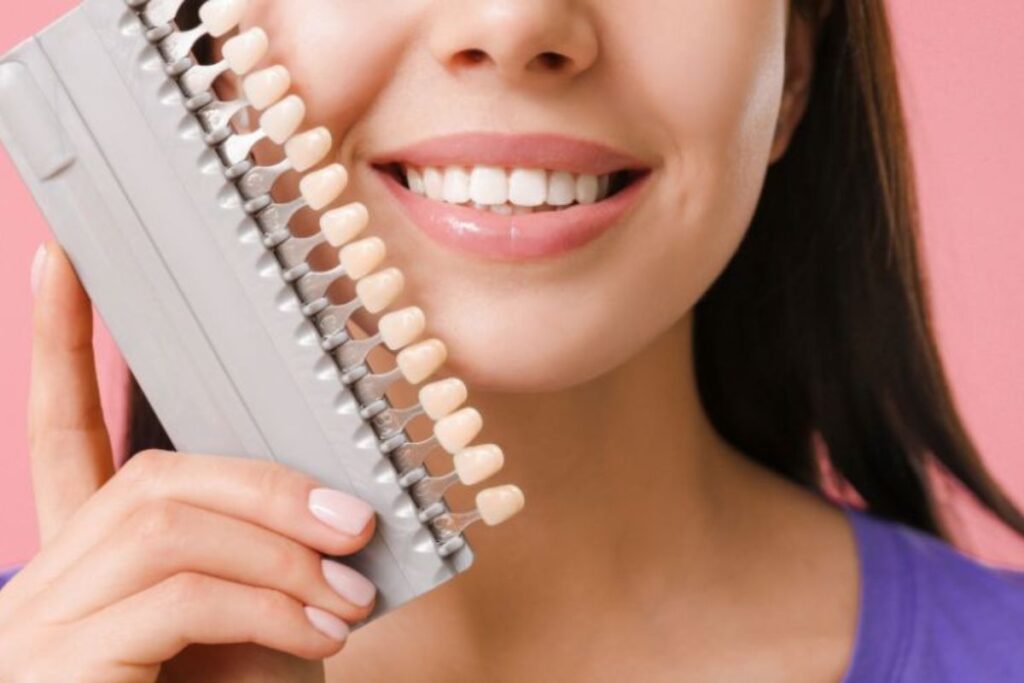
A bright, balanced smile can make a lasting impression, and veneers are one of the most effective cosmetic dentistry solutions for improving chipped, stained, uneven, or worn teeth. These thin custom-made shells are bonded to the front surface of teeth to enhance appearance while maintaining a natural look and feel.
Veneers are known for their durability, stain resistance, and lifelike aesthetics. However, like any dental investment, they require proper care to preserve their strength and appearance. Without the right habits, veneers can chip, loosen, dull, or wear prematurely.
Why Veneers Are a Popular Cosmetic Dentistry Solution
Porcelain veneers offer both cosmetic and functional advantages, making them a preferred treatment for smile enhancement.
Natural-Looking Results
Veneers are custom-designed to match the shape, size, and shade of your surrounding teeth, creating a seamless and realistic appearance.
Strong and Durable
Porcelain is a durable material that can withstand daily biting and chewing when properly maintained. Many veneers can last 10–15 years or longer.
Stain Resistance
Unlike natural enamel, porcelain is more resistant to staining from coffee, tea, and dark-colored foods.
Improved Smile Confidence
Veneers can improve issues such as discoloration, minor gaps, worn edges, and uneven teeth, helping patients feel more confident in social and professional settings.
Although veneers are durable, certain habits can shorten their lifespan.
Common Mistakes That Can Damage Veneers
1. Using Abrasive Toothpaste
Many whitening toothpastes contain harsh particles, such as charcoal, baking soda, or abrasive polishing agents, that can dull the glossy finish of veneers.
What to Do Instead:
Choose a non-abrasive toothpaste recommended by your dentist. Gentle formulas help preserve the polished surface without causing wear.
2. Brushing with Hard-Bristle Toothbrushes
A hard-bristle toothbrush may scratch the veneer surface and irritate the gums surrounding your restorations.
Best Practice:
Use a soft-bristle toothbrush and brush gently twice daily to maintain oral hygiene without damaging veneers.
3. Ignoring Teeth Grinding (Bruxism)
Teeth grinding places repeated pressure on veneers, increasing the risk of cracks, fractures, and wear.
This often happens during sleep, making it difficult to detect early.
Protection Tip:
If you experience jaw soreness, headaches, or worn teeth, ask your dentist about a custom night guard.
4. Skipping Routine Dental Checkups
Even though veneers do not decay, the natural teeth beneath them still require regular care.
Skipping dental visits can lead to plaque buildup, gum disease, and weakening around the bonded area.
What Helps:
Professional cleanings and regular examinations help protect both veneers and surrounding teeth.
5. Biting Hard Objects
Chewing ice, biting fingernails, tearing packages, or using teeth as tools can create unnecessary force that may chip or crack veneers.
Avoid This Habit:
Use scissors or tools instead of your teeth, and avoid chewing on hard non-food items.
6. Poor Flossing Technique
Aggressive flossing can irritate gums and affect the edges where veneers meet natural teeth.
Better Alternative:
Floss gently using a back-and-forth motion rather than snapping floss downward. Water flossers may also be helpful for some patients.
7. Smoking and Tobacco Use
Although porcelain resists staining, tobacco can discolor the edges of veneers, contribute to gum recession, and adversely affect oral health.
Long-Term Benefit:
Quitting smoking helps preserve your veneers, gums, and overall dental health.
8. Poor Oral Hygiene
Some people assume veneers do not need much maintenance. However, neglecting to brush and floss can lead to tooth decay, plaque buildup, and gum disease.
Healthy Habit:
Brush twice daily, floss regularly, and maintain consistent dental visits.
9. Eating Excessively Hard or Sticky Foods
Hard candies, ice, sticky caramel, and similar foods may stress veneers and increase the risk of damage or loosening.
Smart Choice:
Enjoy softer foods when possible and chew carefully to reduce pressure on treated teeth.
Warning Signs Your Veneers May Be Damaged
Even with good care, veneers can occasionally develop issues. Contact your dentist if you notice:
- Chips or visible cracks
- Rough or uneven edges
- A veneer that feels loose
- Increased sensitivity to heat or cold
- Discoloration near the margins
- Gum irritation around treated teeth
- Changes in bite alignment
Early treatment can often prevent the need for larger repairs or replacement.
Protect Your Veneers and Keep Your Smile Looking Its Best
Veneers are more than just a cosmetic enhancement; they are a long-term investment in your smile, confidence, and overall oral health. While veneers are designed to be durable, natural-looking, and stain-resistant, their longevity depends greatly on proper care and maintenance. By avoiding harmful habits such as teeth grinding, smoking, aggressive brushing, and biting hard objects, you can help protect your veneers from unnecessary damage and preserve their strength, appearance, and shine for years to come.
At Heritage Family Dentistry, we are committed to helping patients maintain healthy, beautiful smiles through personalized preventive and cosmetic dental care. Whether you are experiencing discomfort, noticing signs of veneer damage, or simply looking for professional guidance on proper veneer maintenance, our experienced team is here to support your long-term oral health. Visit our dental office in North Dallas for expert care and customized treatment solutions designed to protect your veneers and maximize the cosmetic benefits of your smile.
FAQs About Caring for Your Veneers
1. How long do veneers usually last?
Veneers typically last between 10 and 15 years, though many can last longer with excellent oral hygiene and regular dental care. Their lifespan depends on daily habits, bite pressure, and overall maintenance.
2. Can veneers get stained like natural teeth?
Porcelain veneers are more stain-resistant than natural enamel, but the edges may still discolor over time, especially with smoking, coffee, or poor oral hygiene. Regular cleaning helps maintain brightness.
3. Can I brush my veneers normally?
Yes, but use a soft-bristle toothbrush and non-abrasive toothpaste. Brushing too hard or using harsh whitening products can damage the polished veneer surface.
4. Can teeth grinding break veneers?
Yes, chronic grinding or clenching can place excessive force on veneers, causing cracks, chips, or premature wear. A custom night guard can help protect them.
5. Are veneers permanent?
Veneers are considered a long-term cosmetic treatment because a small amount of enamel is usually removed before placement. While they may need replacement over time, the process itself is generally permanent.
6. What foods should I avoid with veneers?
Try to limit hard foods like ice, hard candy, and nuts if they put excess force on your teeth. Sticky foods like caramel may also stress veneers and surrounding restorations.
7. When should I see a dentist about damaged veneers?
Visit your dentist if you notice cracking, looseness, discomfort, rough edges, or sensitivity. Early treatment can often prevent worsening damage and protect your natural tooth underneath.