
Around North Dallas, life moves fast. Between work, family time, and enjoying local favorites like barbecue or Tex-Mex, it is easy to overlook a small tooth problem. Maybe you noticed a little sensitivity while sipping iced tea, or a chipped edge after a quick bite. These everyday moments are often how tooth damage begins. What can feel confusing is knowing the right way to fix it. Should you choose a simple filling, or does your tooth need something stronger, like a dental crown?
The right choice depends on how much of your tooth is affected, how much strength it needs for your daily routine, and what will keep your teeth working well in the long run.
Let’s break it down in a clear, practical way so you can make a decision that fits your life and feels right for you.
Understanding When a Dental Crown Makes Sense
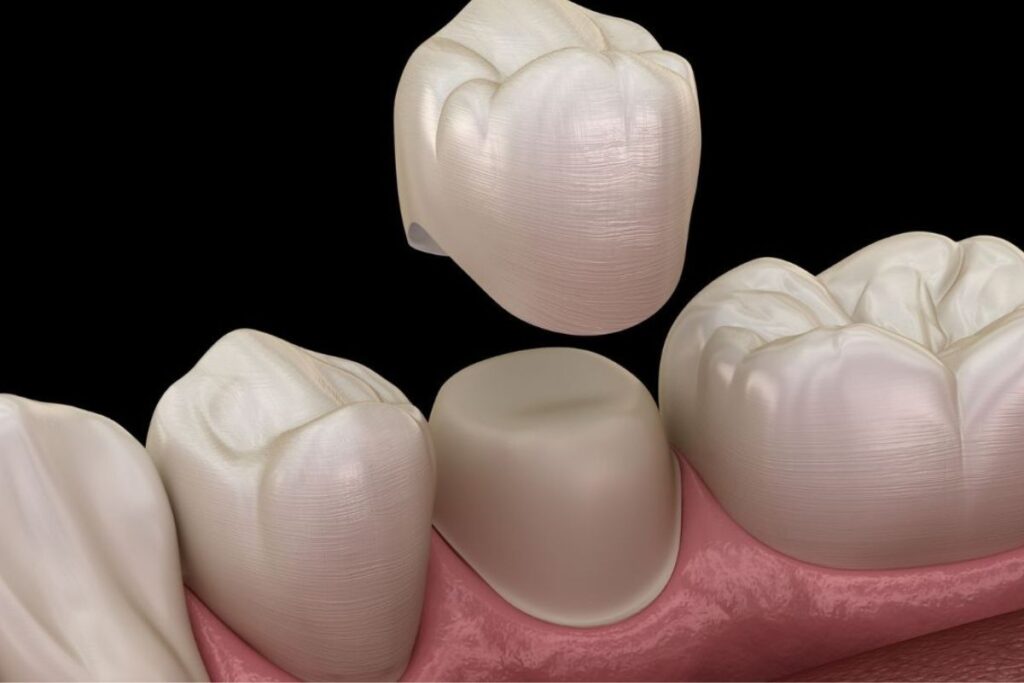
A dental crown is used when a tooth needs full coverage instead of a simple repair. Think of it as a protective cap that restores the tooth’s shape, strength, and appearance.
Dentists usually recommend a crown when:
- A large portion of the tooth is damaged or decayed
- The tooth has a crack that needs reinforcement
- You have had a root canal and need protection
- A filling would not provide enough support
- The tooth is worn down over time
A crown covers the entire visible part of the tooth, making it a strong, long-lasting solution. It helps prevent further damage and allows you to chew comfortably again.
When a Filling Is the Better Choice
Fillings are designed for smaller areas of decay or minor damage. They restore the tooth without significantly altering its overall structure.
You might need a filling if:
- The cavity is small to moderate
- The tooth structure is still mostly intact
- There is no major cracking or weakening
- You want a quicker and less involved procedure
Fillings are typically completed in one visit and require less removal of natural tooth structure. For early-stage decay, they are often the most practical option.
While both fillings and crowns are designed to restore damaged teeth, they serve different purposes and are used in different situations. Understanding how they compare can make your decision much clearer.
Key Differences You Should Know
A filling is used to repair a specific part of the tooth where decay or minor damage has occurred. It focuses only on the affected area and helps preserve most of your natural tooth structure. In contrast, a crown is designed to cover the entire visible portion of the tooth. This full coverage provides added protection and is often recommended when the tooth needs more comprehensive support.
When it comes to strength, fillings are effective for small to moderate damage. They restore function well but rely on the remaining natural tooth for overall stability. Crowns, on the other hand, are built to handle more pressure. They are a stronger option for teeth that are significantly weakened, especially those used for chewing.
Longevity is another important factor to consider. Fillings can last for several years, but they may need to be replaced over time due to wear or new decay. Crowns are generally more durable and tend to last longer when properly cared for, making them a reliable choice for long-term protection.
The treatment process also differs between the two. Fillings are typically completed in a single visit and involve a straightforward procedure. Crowns usually require more preparation and may take more than one appointment, depending on the type of crown and the condition of the tooth.
How Dentists Decide What You Need
Your dentist looks beyond the current cavity to consider how your tooth will function over time. The goal is to choose a treatment that fixes the issue while keeping the tooth strong in the long run.
Key factors include the size of the decay, the location of the tooth, your bite pressure, any existing dental work, and your overall oral health.
For instance, a small cavity on a front tooth may only need a filling, while a larger cavity on a molar often requires a crown to handle daily chewing and provide lasting support.
How to Take Care of Your Restoration
No matter which option you choose, good habits make all the difference.
- Brush twice daily with fluoride toothpaste
- Floss every day to prevent decay around the edges
- Avoid chewing very hard objects like ice
- Visit your dentist regularly for checkups
- Address any discomfort early before it worsens
Both crowns and fillings can last for years when properly maintained.
Ready to Protect Your Smile in North Dallas?
If you are unsure whether you need a filling or a crown, the best next step is a professional evaluation. Every tooth is different, and a personalised recommendation makes all the difference.
At Heritage Family Dentistry, we take the time to explain your options clearly so you can make a confident decision about your care.
Visit our dental office in North Dallas and let our team help you restore comfort, function, and confidence in your smile.
FAQs About Dental Crown vs Filling
1. How do I know if I need a crown instead of a filling?
If the tooth is badly damaged or weak, a crown is usually the better option. Your dentist will check the structure and guide you.
2. Are fillings faster than crowns?
Yes, fillings are typically done in one visit. Crowns may take more time depending on the process.
3. Do crowns last longer than fillings?
Crowns often last longer because they cover and protect the whole tooth. Good care helps both last longer.
4. Is the procedure painful?
Both treatments are done with anesthesia, so you should feel comfortable during the procedure.
5. Can a filling fail over time?
Yes, fillings can wear down or loosen. In some cases, they may need to be replaced with a crown later.
6. Which option is better for the back teeth?
Back teeth often need crowns if there is significant damage, as they handle more pressure during chewing.
7. What happens if I delay treatment?
Delaying can make the problem worse. A small issue may turn into a bigger one that needs more treatment.