
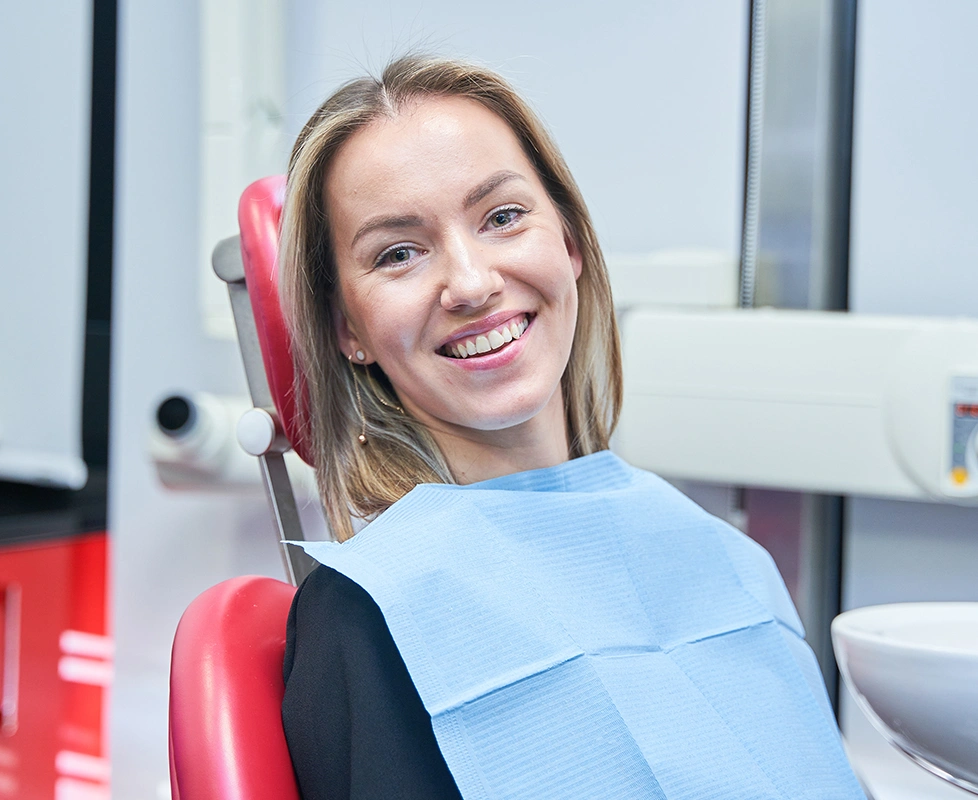
Below are some of the most commonly asked questions about dental care and oral health. If you have additional questions or would like to schedule an appointment, we’re here and happy to help!
Dentistry involves the diagnosis, treatment, and prevention of conditions affecting the teeth, gums, mouth, and jaw. While it’s essential for maintaining oral health, dentistry also plays a vital role in supporting your overall health and well-being.
A dentist is a trained healthcare professional who diagnoses, treats, and helps prevent oral health problems. To become a dentist, one must complete a minimum of eight years of education and earn either a DDS (Doctor of Dental Surgery) or DMD (Doctor of Dental Medicine) degree.
If your dentist is a pediatric specialist, they have received additional training to care for children from infancy through the teen years, focusing on their unique dental needs and development.
Other dental specializations include:
- Endodontics (root canals)
- Oral and maxillofacial (including pathology, radiology, and surgery)
- Orthodontics and dentofacial orthopedics
- Periodontics (gum disease)
- Prosthodontics (dental implants)
Visiting the dentist regularly does more than just keep your teeth and mouth healthy—it also supports your overall well-being. Consistent dental care is essential because it:
- Helps Prevent Tooth Decay – Regular cleanings and exams stop cavities before they start.
- Protects Against Gum Disease – Preventing periodontal disease helps preserve your teeth and the bone that supports them.
- Prevents Bad Breath – Brushing, flossing, and routine dental visits help reduce odor-causing bacteria.
- Enhances Your Smile and Confidence – Healthy teeth contribute to a more attractive smile and greater self-esteem.
- Keeps Teeth Bright – Professional cleanings help prevent staining from food, drinks, and tobacco.
- Strengthens and Preserves Teeth – Ongoing care supports long-term dental health, so you can enjoy your smile for life.
Dentistry also includes a variety of specialties, each focused on specific aspects of oral health:
- Endodontics – Specializes in root canal therapy
- Oral and Maxillofacial – Covers pathology, radiology, and surgical procedures of the face, jaw, and mouth
- Orthodontics and Dentofacial Orthopedics – Focuses on aligning teeth and jaws
- Periodontics – Treats gum disease and related structures
- Prosthodontics – Involves restoration and replacement of teeth, including dental implants
Together, these specialties ensure comprehensive care for every aspect of your oral health.
Even if your teeth feel perfectly fine, it’s still essential to visit the dentist regularly—many dental issues can develop without any obvious signs or pain. Regular checkups not only help catch hidden problems early but also ensure your smile stays healthy and beautiful.
Thanks to modern advancements in dentistry, you no longer have to live with stained, chipped, missing, or uneven teeth. Your dentist can offer a wide range of treatments to enhance your smile and boost your confidence, including:
- Professional Teeth Whitening – Brighten your smile safely and effectively
- Tooth-Colored Fillings – Repair cavities with fillings that blend naturally with your teeth
- Tooth Replacement & Smile Makeovers – Restore missing teeth and transform your entire smile
Regular dental care also provides key long-term benefits:
- Prevents Tooth Decay
- Protects Against Gum Disease, which can lead to tooth and bone loss
- Fights Bad Breath by reducing bacteria through cleanings and checkups
- Maintains a Brighter Smile by preventing stains from food, beverages, and tobacco
- Strengthens Teeth to support lasting oral health
Dentistry also includes a variety of specialties to address specific needs:
- Endodontics – Root canal therapy
- Oral and Maxillofacial – Diagnosis, imaging, and surgical treatment
- Orthodontics & Dentofacial Orthopedics – Alignment of teeth and jaws
- Periodontics – Treatment of gum disease
- Prosthodontics – Dental implants and tooth restoration
Staying on top of your dental health helps protect your smile—and your overall well-being—for years to come.
Choosing a dentist who truly “clicks” with you and your family is key, and it’s perfectly fine to visit a few before deciding which one feels right. Your first appointment is a great opportunity to see if the practice meets your needs. When you visit, consider asking yourself:
- Is the appointment schedule convenient for you?
- Is the office easy to get to and located nearby?
- Does the office appear clean, organized, and welcoming?
- Did they take a thorough medical and dental history and keep it on file?
- Does the dentist explain oral health techniques clearly and patiently?
- Are treatment costs and options discussed upfront before scheduling procedures?
- Is your dentist a member of the American Dental Association (ADA)?
A great dental practice should offer comprehensive care to keep your smile healthy and confident, including:
- Professional teeth whitening
- Tooth-colored fillings that blend naturally
- Tooth replacement and complete smile makeovers
They should also help you maintain long-term oral health by:
- Preventing tooth decay
- Protecting against gum disease, which can cause tooth and bone loss
- Fighting bad breath through regular cleanings and care
- Keeping teeth bright by preventing stains from food, drinks, and tobacco
- Strengthening your teeth for a lasting, beautiful smile
Additionally, look for expertise in dental specialties like:
- Endodontics (root canals)
- Oral and maxillofacial care (pathology, radiology, and surgery)
- Orthodontics and dentofacial orthopedics
- Periodontics (gum disease treatment)
- Prosthodontics (dental implants and restorations)
Finding a dentist who combines professional skill with personalized care will help you feel confident and comfortable every time you visit.
Tips for Taking Great Care of Your Teeth
- Brush at least twice a day and floss at least once daily to keep plaque and bacteria at bay.
- Use toothpaste with fluoride, and ask your dentist if a fluoride rinse would benefit you. Fluoride helps prevent cavities and strengthens your enamel.
- Limit sugary foods and drinks, as sugar feeds bacteria that cause plaque and cavities. Also, avoid tobacco products—they can stain your teeth, lead to gum disease, and increase the risk of oral cancer.
- Don’t forget to brush your tongue! This removes food particles and reduces bacteria that cause plaque and bad breath.
- Schedule regular dental checkups—visiting your dentist every six months is recommended to maintain optimal oral health.
Choosing the Right Dentist: What to Look For
When selecting a dentist, consider these important questions during your first visit:
- Is the appointment schedule convenient for you?
- Is the office easy to access and located nearby?
- Is the office clean, organized, and welcoming?
- Did the staff take your complete medical and dental history and file it properly?
- Does the dentist clearly explain good oral hygiene techniques?
- Are treatment costs discussed upfront before any procedures?
- Is your dentist a member of the American Dental Association (ADA)?
Comprehensive Dental Care Services
A quality dental practice offers a wide range of treatments to keep your smile healthy and beautiful:
- Professional teeth whitening
- Tooth-colored fillings that blend naturally
- Tooth replacement options and complete smile makeovers
Specialized Dental Treatments
Dentistry covers many specialties to meet your unique needs:
- Endodontics (root canals)
- Oral and maxillofacial care (including pathology, radiology, and surgery)
- Orthodontics and dentofacial orthopedics (teeth and jaw alignment)
- Periodontics (gum disease treatment)
- Prosthodontics (dental implants and restorations)
The American Academy of Pediatric Dentistry (AAPD) advises that children should have their first dental visit between six months and one year of age. This is when your child’s baby teeth begin to emerge, allowing the dentist to check the health of their initial teeth. Following this initial appointment, it’s important to continue with regular dental checkups every six months.
Children, teens, and adults should have a dental checkup at least every six months. However, if you’re at higher risk for oral cancer or gum disease, your dentist may recommend more frequent visits. Your dentist will work with you to determine the best schedule for your regular checkups.
A cavity is a small hole that develops inside a tooth due to tooth decay. It occurs when plaque on the tooth’s surface mixes with sugars and starches from the food you eat, creating acids that gradually wear away the enamel. If left untreated, cavities can cause more serious dental issues. You can help prevent cavities by brushing your teeth at least twice a day and flossing between your teeth at least once daily.
A filling is a synthetic material used by your dentist to restore a tooth after removing decay. The procedure is usually painless because your dentist will numb the area with an anesthetic. Fillings can be made from various materials such as composite resin, gold, or ceramic. If you need a filling, be sure to discuss with your dentist which type is the best choice for your teeth and needs.
Dentists and the American Dental Association recommend brushing your teeth at least twice a day. Brushing helps keep your teeth, gums, and mouth clean by removing plaque that causes bacteria. It’s best to use a soft-bristle toothbrush and fluoride toothpaste. Spend about one minute brushing your upper teeth and another minute on your lower teeth, and don’t forget to brush your tongue to help keep your breath fresh!
Your toothbrush naturally wears out over time, especially if you brush twice a day for two to three minutes each time. Dentists recommend that both adults and children replace their toothbrush every three months. If you use an electric toothbrush, check the manufacturer’s instructions, as the brush heads may last longer. For patients with gum disease, changing the toothbrush every four to six weeks is advised to prevent bacteria buildup. After brushing, rinse your toothbrush with hot water to kill germs and keep it clean. Also, be sure to replace your toothbrush promptly after you’ve been sick.
Gum disease, also called periodontal disease, is primarily caused by untreated plaque and bacteria buildup. Other factors that can contribute include tobacco use, teeth grinding, certain medications, and genetics. The earliest stage of gum disease is called gingivitis, which is treatable if caught early. However, if gingivitis is left untreated, it can progress to more severe gum disease. Advanced gum disease can result in permanent tooth and bone loss.
Regular brushing and dental visits every six months are key to preventing gingivitis and more serious periodontal problems.
Common signs of gum disease include:
- Red, swollen, irritated, or bleeding gums
- Persistent bad breath
- Loose or missing teeth
- Heightened tooth sensitivity
- Receding gum line
- Abscessed teeth
Absolutely! It’s actually even more important to keep up with regular dental checkups when you have braces. Braces can trap food in spots that your toothbrush might miss, creating a perfect environment for bacteria to grow. This buildup can lead to cavities, gingivitis, and gum disease if not properly managed. That’s why your dentist will collaborate closely with your orthodontist to ensure your teeth stay clean and healthy throughout your orthodontic treatment.
Just give our office a call! Our friendly front desk team is ready to help you schedule your next dental checkup at a time that works best for you. If you’re a new patient, please let us know—we’ll make sure you have all the details you need for your first visit.
Understanding and Managing Bad Breath (Halitosis)
Bad breath, or halitosis, can be both unpleasant and embarrassing. Many people don’t even realize they have it, though it’s quite common—especially in the morning.
What Causes Bad Breath?
In healthy individuals, the main cause of bad breath is bacterial buildup on the tongue, particularly the back of the tongue. Studies show that simply brushing your tongue can reduce bad breath by up to 70%.
Here are some common causes:
- Morning Breath: Saliva flow slows down during sleep, reducing its natural cleansing effect and allowing bacteria to grow.
- Certain Foods: Garlic, onions, and other foods contain odor-causing compounds that enter the bloodstream, travel to the lungs, and are exhaled.
- Poor Oral Hygiene: Leftover food particles encourage bacterial growth.
- Gum Disease: Inflamed gums can harbor bacteria and food debris.
- Cavities and Dental Appliances: These can trap bacteria and contribute to bad breath.
- Dry Mouth (Xerostomia): Caused by medications, salivary gland issues, or mouth breathing.
- Tobacco Use: Dry mouth caused by smoking or chewing tobacco worsens bad breath.
- Dieting: Burning fat releases chemicals called ketones, which can cause odor.
- Dehydration, Hunger, and Missed Meals: These reduce saliva flow, which normally helps wash away bacteria.
- Medical Conditions: Diabetes, liver or kidney problems, sinus infections, bronchitis, and pneumonia may all play a role.
- What Can You Do? Brush your tongue daily.
- Maintain good oral hygiene with regular brushing and flossing.
- Stay hydrated and avoid tobacco products.
- Keep a food diary to identify any diet-related causes.
- Discuss any medications, recent surgeries, or illnesses with your dentist.
- Practice Good Oral Hygiene: Brush your teeth at least twice a day using an ADA-approved fluoride toothpaste and a soft-bristled toothbrush. Floss daily to remove food particles and plaque between teeth and under the gumline. Don’t forget to clean your tongue—either by brushing it gently or using a tongue scraper—to remove bacteria from the back of the tongue. Replace your toothbrush every 2 to 3 months. If you wear dentures or removable bridges, clean them thoroughly and put them back in your mouth each morning.
- Visit Your Dentist Regularly: Schedule dental checkups and professional cleanings at least twice a year. If you have a history of gum disease, your dentist may suggest more frequent visits.
- Quit Smoking or Using Tobacco: Tobacco products can worsen bad breath and dry your mouth. Talk to your dentist for support and recommendations to help you quit.
- Stay Hydrated: Drinking water throughout the day helps keep your mouth moist and washes away odor-causing bacteria.
- Use Mouthwash Wisely: While some over-the-counter mouthwashes only mask bad breath temporarily, ask your dentist about antiseptic rinses that can kill the germs responsible for odor.
In most cases, your dentist can identify and treat the cause of bad breath. If your mouth is healthy but bad breath persists, your dentist may refer you to your physician for further evaluation and treatment.
Brushing your teeth is essential, but it doesn’t reach everything—specifically, the tight spaces between your teeth and just under the gumline. These areas are especially vulnerable to cavities and gum disease.
That’s where flossing comes in. Daily flossing removes plaque, food particles, and bacteria that your toothbrush can’t reach. It also helps disrupt plaque buildup, preventing it from hardening into tartar and causing inflammation, tooth decay, or bone loss.
What Is Plaque?
Plaque is a sticky, nearly invisible film made of bacteria, food debris, and saliva. If left undisturbed, these bacteria produce acids that damage enamel and irritate the gums. Over time, unremoved plaque can harden into tartar (calculus), which contributes to periodontal (gum) disease and bone deterioration.
How to Floss Effectively:
- Use 12–16 inches (30–40 cm) of dental floss, wrapping most of it around your middle fingers, leaving about 2 inches (5 cm) to work with.
- Use your thumbs and forefingers to gently guide the floss between your teeth using a sawing motion.
- Curve the floss into a “C” shape around each tooth and slide it beneath the gumline.
- Gently move the floss up and down along the side of each tooth.
- Consider using a floss holder if traditional flossing is difficult for you.
Flossing every day is one of the simplest and most effective ways to keep your smile healthy and beautiful for life!
If you’re self-conscious about your teeth or simply want a brighter, more confident smile, cosmetic dentistry can help. Thanks to modern advances, treatments are more effective and natural-looking than ever.
Popular Options:
- Teeth Whitening: Brightens stained or discolored teeth.
- Tooth-Colored Fillings: Repair cavities and chips with a natural look.
- Veneers: Thin shells that improve the shape, color, and alignment of teeth.
- Crowns: Restore and protect damaged or worn teeth.
- Dental Implants: A permanent solution for missing teeth.
- Orthodontics: Straighten teeth with clear aligners or discreet braces.
Ask your dentist how cosmetic dentistry can help you achieve a healthy, beautiful smile!

Top Dentist in Frisco, TX
What Our Patients Say About Us
Our Patients Are Our Biggest Fans!
I just moved into town a week ago and Heritage was able to get me in for a new patient appointment very quickly which was extremely convenient! Teresa did a great job with my cleaning and the office is very nice. Looking forward to going back in 6 months.

Heritage Family Dentistry is amazing. The hospitality and warm welcome by Kathryn was genuine and authentic which is an amazing way to start your appointment and end your appointment. It leaves you walking out with a great experience. Thank you.
Had an amazing experience, the most thorough examination & cleaning that I've ever had.. Thank you Emily & Dr. Moon....

Top Dentist in Frisco, TX
What Our Patients Say About Us
Our Patients Are Our Biggest Fans!
Very professional staff. The office is always clean. The doctors and all the assistants are very nice and polite. My family and I have been coming to this dentist for years.
David is an excellent dentist. He spends quality time with you-not just a quick look. His staff is always very nice and professional. Highly recommend!!
Heritage Dentistry is always dependable, caring, and excellent in their work! They are quick to get you in and taken care of if you have an urgent need.
Keri is fabulous! Such a kind person, and such a gentle technique. My teeth feel wonderful post cleaning. My whole family uses Heritage, and couldn’t be happier. Thanks so much!
Always have a great experience here! Everyone is kind and knowledgeable. The hygienist was very understanding of my health and gave great advice for products to use.