
Hey there, parents! Let’s face it: the dentist’s chair can be a scary place, especially for our little ones. Have you ever watched your child’s eyes widen at the sight of a dental drill? Or perhaps you’ve struggled to keep them calm during a simple cleaning? You’re not alone! Many parents grapple with the challenge of ensuring their children receive necessary dental care without trauma. That’s where pediatric sedation dentistry comes into play. But is it safe? Let’s dive in and explore the facts together.
Understanding Pediatric Sedation
Pediatric sedation dentistry involves using medication to help children relax during dental procedures. It ranges from mild sedation, where the child remains conscious but less anxious, to general anesthesia, where they are completely unconscious. The goal is to make the dental experience more comfortable and manageable for both the child and the dentist.
According to the American Academy of Pediatric Dentistry (AAPD), sedation is considered when a child is very young, anxious, or has special healthcare needs that make routine dental treatment difficult. A study published in the Journal of Dental Anesthesia and Pain Medicine found that around 30% of pediatric dental procedures involve some form of sedation.
Safety Considerations
Safety is, of course, the top priority. The AAPD has strict guidelines for pediatric sedation, emphasizing proper training, monitoring, and equipment. Dentists who perform sedation must have specialized training and certification.
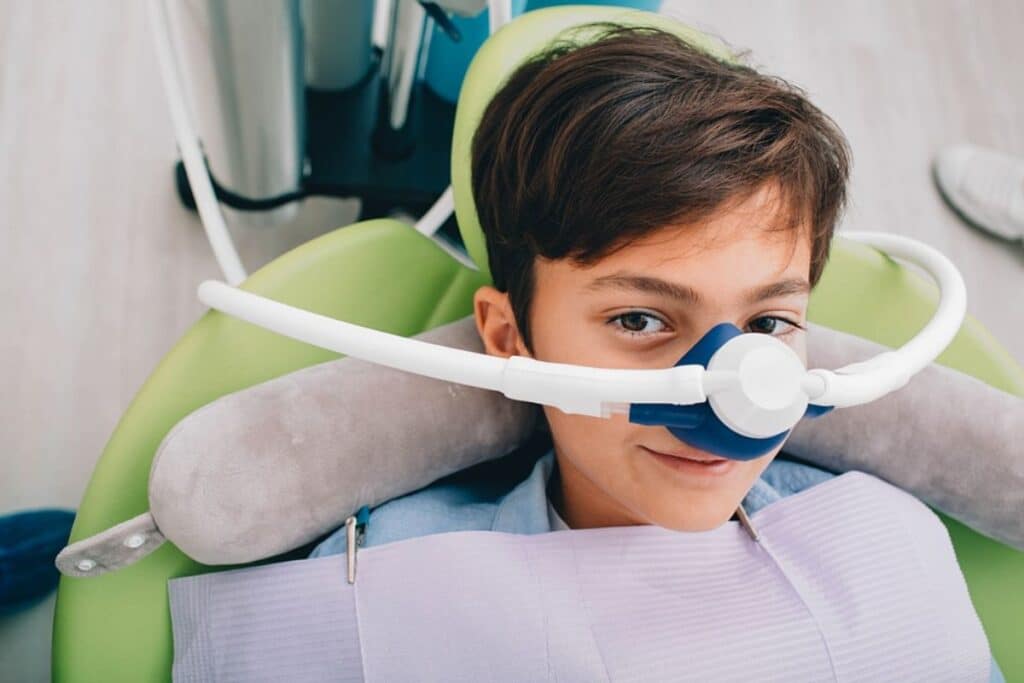
- Mild Sedation (Nitrous Oxide): Often referred to as “laughing gas,” nitrous oxide is a common and generally safe form of mild sedation. It wears off quickly, and children typically recover within minutes. According to the American Academy of Pediatric Dentistry (AAPD), nitrous oxide is considered very safe when administered by a trained professional.
- Moderate Sedation (Oral Sedatives): Oral sedatives, such as benzodiazepines, are used to induce a deeper state of relaxation. While generally safe, they require careful monitoring of the child’s breathing and heart rate. A study published in Pediatric Dentistry indicated that moderate sedation is effective in reducing anxiety but necessitates careful patient selection and monitoring.
- Deep Sedation and General Anesthesia: These are reserved for more complex procedures or children with significant anxiety or special needs. General anesthesia carries a slightly higher risk, with potential complications like respiratory depression.
However, according to the American Society of Anesthesiologists (ASA), when administered by a qualified anesthesiologist in a properly equipped facility, the risks are minimal. The ASA states that serious complications from general anesthesia in pediatric dental settings are exceedingly rare, with rates estimated to be less than 1 in 10,000 cases.
Key Safety Measures
To ensure your child’s safety, consider these factors:
- Dentist’s Credentials: Verify that the dentist is board-certified in pediatric dentistry and has specialized training in sedation.
- Monitoring Equipment: The dental office should have appropriate monitoring equipment, including pulse oximeters and blood pressure monitors.
- Emergency Preparedness: The staff should be trained in emergency procedures and have access to necessary medications and equipment.
- Pre-Sedation Evaluation: A thorough evaluation of your child’s medical history is essential to identify any potential risks.
- Post-Sedation Care: Clear instructions for post-sedation care should be provided, including guidelines for monitoring your child at home.
Making an Informed Decision
So, is pediatric sedation safe? The answer is generally yes when performed by a qualified dentist in Frisco following established guidelines. However, it’s crucial to have an open conversation with your child’s dentist. Ask about their experience, the type of sedation they recommend, and the potential risks and benefits.
Remember, the goal is to ensure your child receives the necessary dental care in a safe and comfortable environment. By being informed and proactive, you can help make the dental experience a positive one for your child.
What are your experiences with pediatric dentistry? Have you considered sedation for your child? Share your thoughts in the comments below!