
When replacing a missing tooth, choosing between a single-tooth implant and a dental bridge can be challenging. Both options offer advantages, but understanding their differences can help you make the best choice for your oral health.
For residents of Frisco and nearby areas, this blog will guide you through the key features of both treatments and help you decide which option is better for your long-term dental care.
At Heritage Family Dentistry, we aim to provide comprehensive care to patients in Frisco and its neighboring communities. If you’re considering tooth replacement, we’re here to help you decide which solution fits your needs.
What Is a Single Tooth Implant?
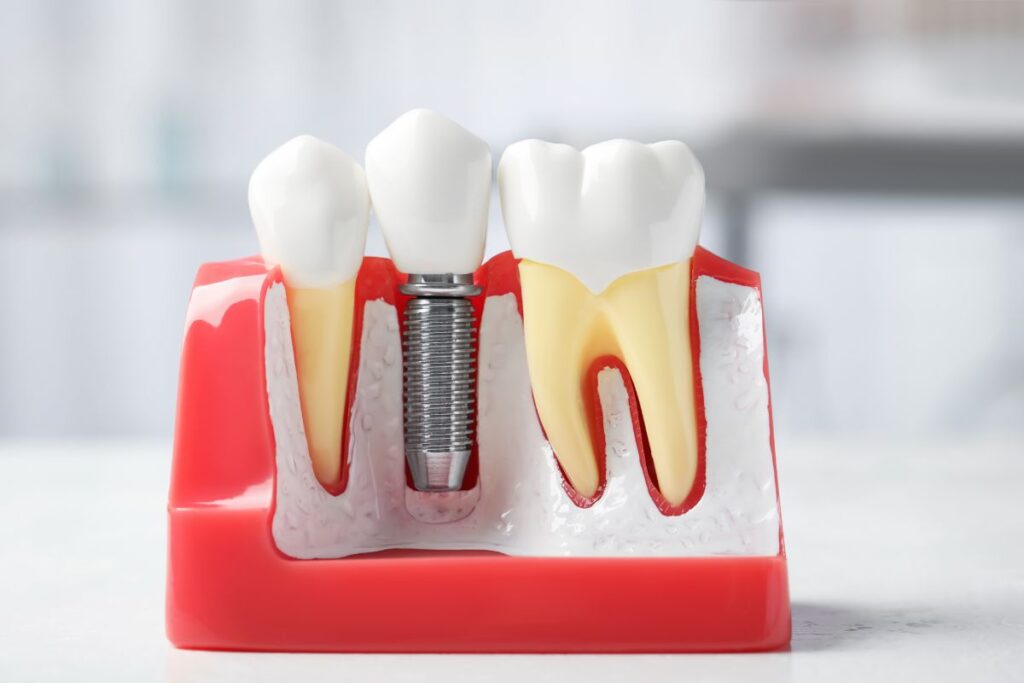
A single dental implant is a permanent tooth replacement that mimics the natural structure of a tooth. It consists of three main parts:
- The Titanium Post: Surgically placed into the jawbone to act as the root of the tooth.
- The Abutment: A connector that attaches the crown to the post.
- The Crown: The visible part of the tooth, which is custom-made to match your natural teeth.
Implants are considered the gold standard for replacing missing teeth. The key advantage of implants is their ability to integrate with the jawbone, creating a stable, long-lasting solution. Over time, the titanium post fuses with the bone in a process called osseointegration, offering a secure foundation for the new tooth.
If you are considering dental implant treatment in Frisco or from surrounding areas, it is essential to choose a highly qualified, trusted implant dentist with expertise in this particular field.
What Is a Dental Bridge?
It is another popular method of replacing a missing tooth. It involves using adjacent healthy teeth as anchors to support a false tooth in the gap. The bridge consists of:
- The crown: Placed over the neighboring teeth to serve as anchors.
- The false tooth (pontic): Positioned in the gap where the tooth is missing.
Unlike implants, bridges don’t require surgery. The process involves reshaping the adjacent teeth to accommodate the crowns. Bridges are typically made from materials like porcelain, metal, or a combination of both, providing a natural appearance and reliable function.
Comparing Dental Implants and Dental Bridges
1. Procedure Complexity
One of the main differences between implants and bridges is the procedure. Implants involve a surgical procedure to place the titanium post into the jawbone. This requires multiple visits, including the initial consultation, the surgery, and time for healing before the crown is placed. However, this process offers long-term benefits as the implant fuses with the bone, providing a solid foundation for your new tooth.
On the other hand, a dental bridge doesn’t require surgery. The procedure involves reshaping the adjacent teeth to fit the crowns and securing the pontic in place. The process is generally quicker and requires fewer visits, but it might not last as long as an implant.
2. Durability and Longevity
A significant advantage of dental implants over bridges is their durability. When properly cared for, tooth implants can last a lifetime. Since the titanium post integrates with your jawbone, the implant becomes a permanent fixture in your mouth.
Dental bridges, while reliable, typically last around 10-15 years, depending on the material and the care you take. However, over time, the supporting teeth may weaken or require adjustments, which can affect the longevity of the bridge.
3. Impact on Adjacent Teeth
One of the most notable differences is how each option affects the surrounding teeth. Dental implants stand independently without affecting nearby teeth. The implant post does not require any alteration to the surrounding teeth, preserving their structure and strength.
However, bridges require that the adjacent teeth be shaved down to fit the crowns. This can lead to additional wear on these teeth, and, in some cases, they may eventually need treatment. With implants, you don’t face this risk, as the implant does not rely on the surrounding teeth for support.
4. Aesthetic Appeal
Both tooth implants and bridges provide excellent aesthetics, and the final result can look natural in either case. However, dental posts tend to offer a more lifelike appearance because they replicate the entire tooth structure, including the root. This allows the crown to integrate seamlessly with the rest of your teeth.
With a bridge, the appearance is quite natural, but because the bridge relies on neighboring teeth for support, the final result may look slightly different from a natural tooth.
5. Maintenance and Care
In terms of maintenance, tooth implants are easy to care for. They function just like your natural teeth, and you can care for them with regular brushing and flossing. The only difference is that you should use non-abrasive toothpaste to avoid damaging the crown.
Dental bridges, however, require extra care to maintain. While you can brush and floss around the bridge, cleaning under the bridge can be tricky. You’ll need to use special tools, such as floss threaders or water flossers, to clean the area beneath the pontic. Over time, this can become a bit more cumbersome than maintaining a dental implant.
Choose Dental Implants for a Permanent Solution
If you’re looking for a tooth replacement option that offers long-term benefits and minimal impact on your surrounding teeth, dental implants are an excellent choice. While bridges can be a quick solution, dental posts provide greater longevity, stability, and aesthetics.
Ready to restore your smile? Visit our dental office in Frisco, Heritage Family Dentistry, to learn more about titanium implants and how they can improve your oral health. Schedule your consultation today and take the first step towards a confident, healthy smile.
FAQs
- What’s The Main Difference Between Dental Implants And Dental Bridges?
Implants replace the missing tooth with a titanium post, while dental bridges rely on adjacent teeth to support a false tooth.
- How Long Do Dental Implants Last?
With proper care, implants can last a lifetime. The titanium post fuses with your jawbone, providing a durable and permanent foundation.
- Are Dental Bridges More Affordable Than Implants?
While dental bridges are often less expensive initially, they may not last as long as implants, making them more costly in the long term.
- Do Dental Implants Require Special Care?
No, implants can be cared for just like your natural teeth. Regular brushing and flossing are sufficient to maintain your implants.
- Can I Eat Normally With A Dental Bridge?
Yes, you can eat with a bridge, but you may need to be cautious of hard or sticky foods that could damage the bridge over time.
- How Do I Know If I’m A Candidate For Dental Implants?
A thorough consultation with the dentist will help determine if you’re a good candidate for dental implants. Factors such as bone density and overall oral health will be considered.